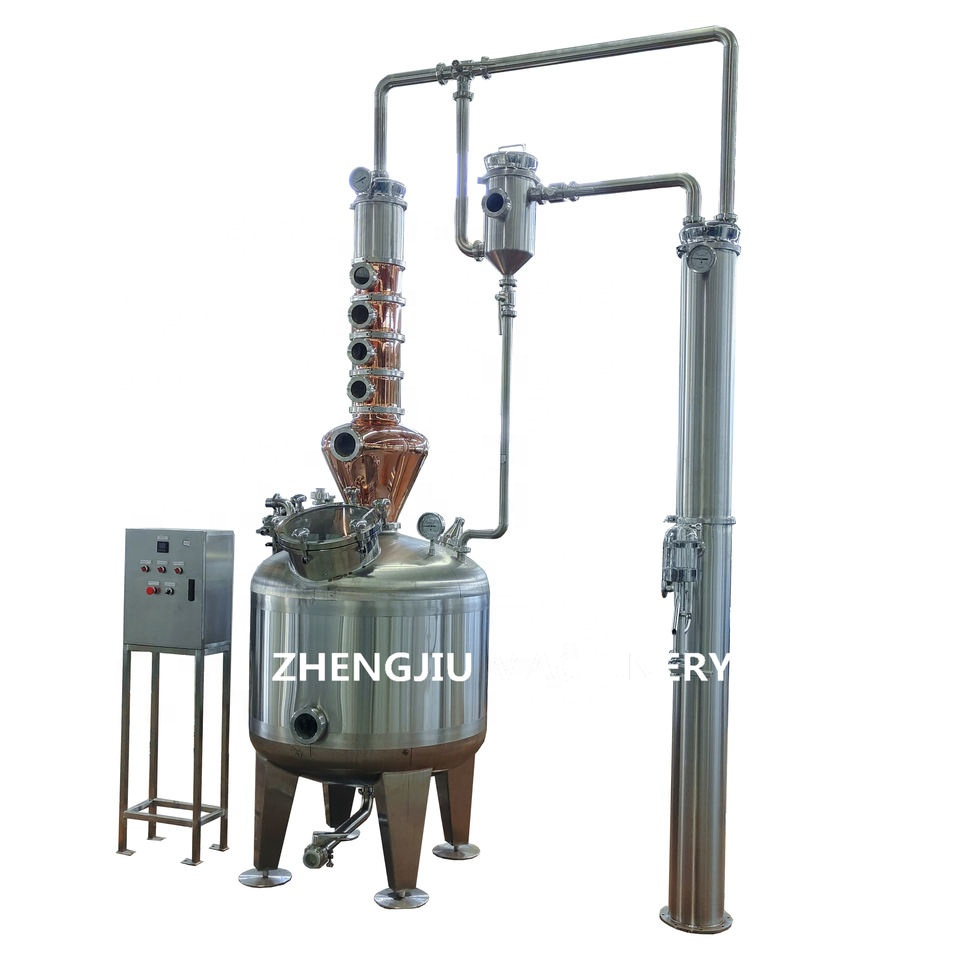
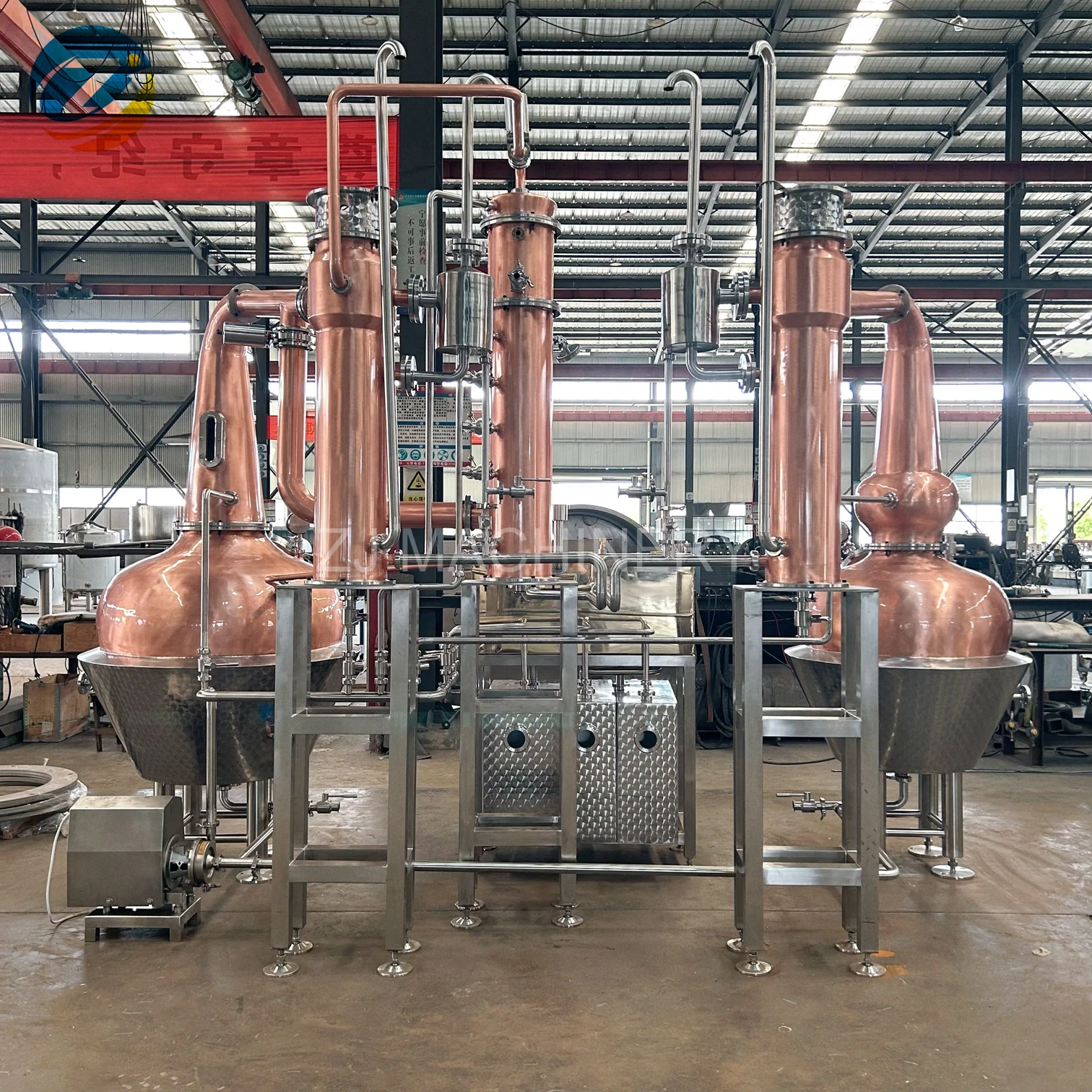
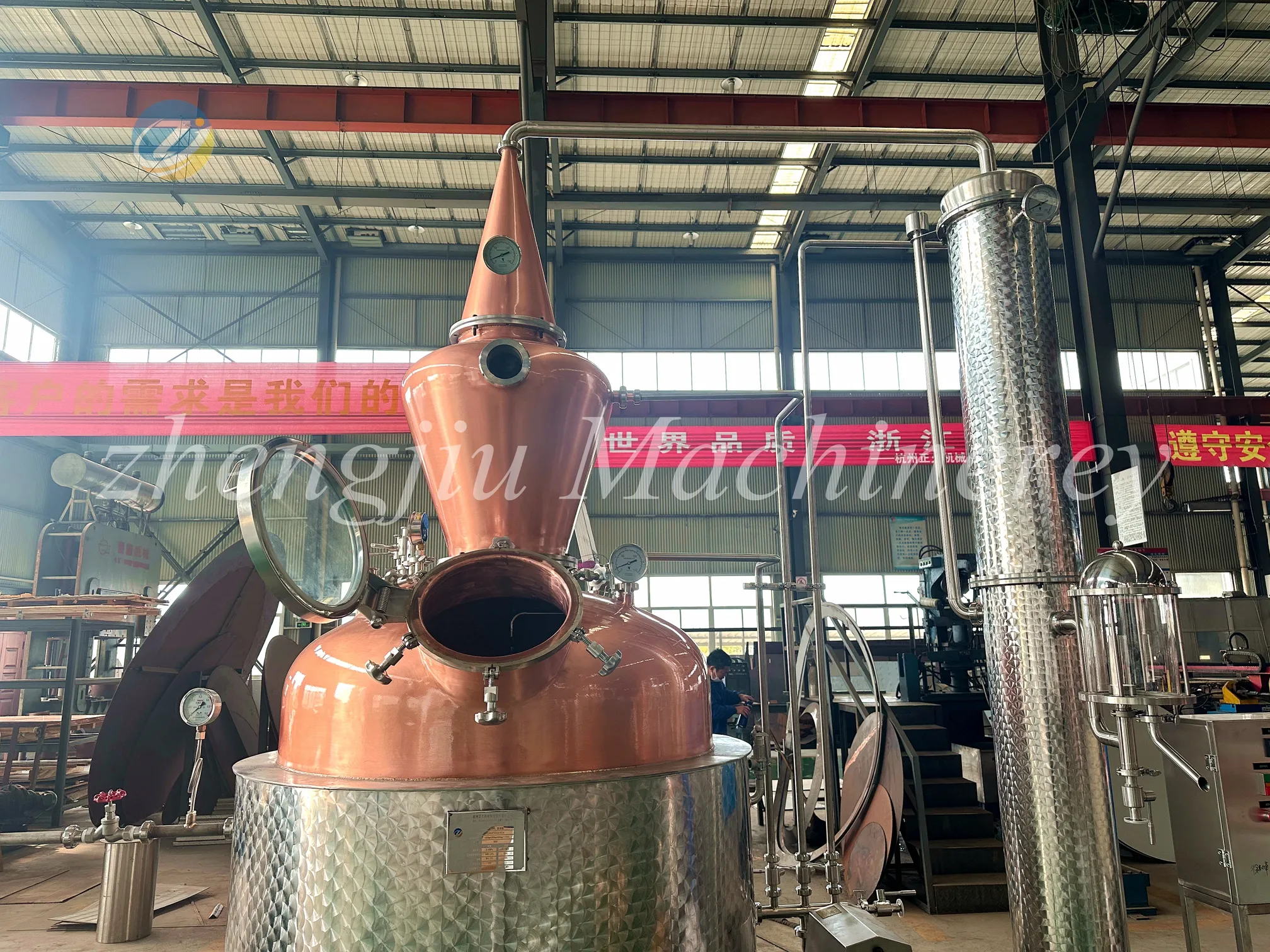
When discussing distillers, their heating methods and heat sources are often overlooked. Yet, these factors significantly influence the distillation outcome, shaping the aroma, flavor, and overall quality of the spirit.
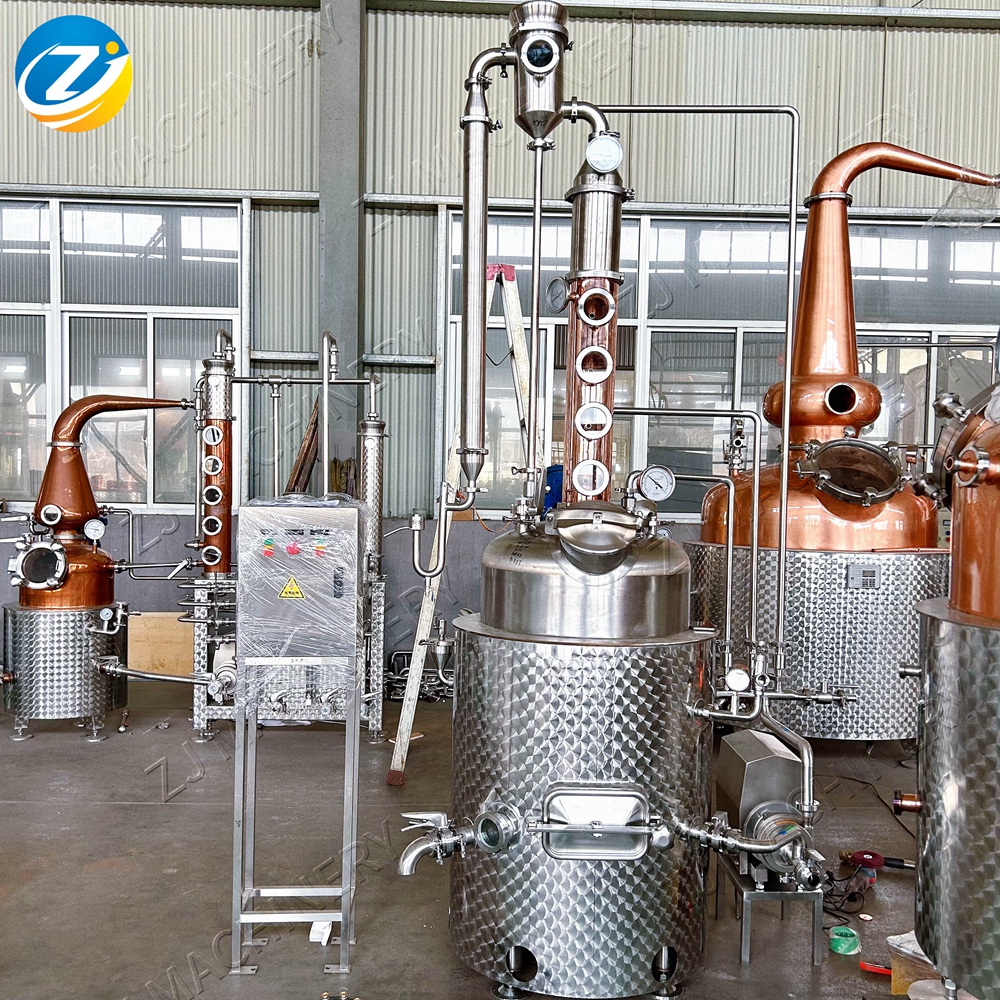
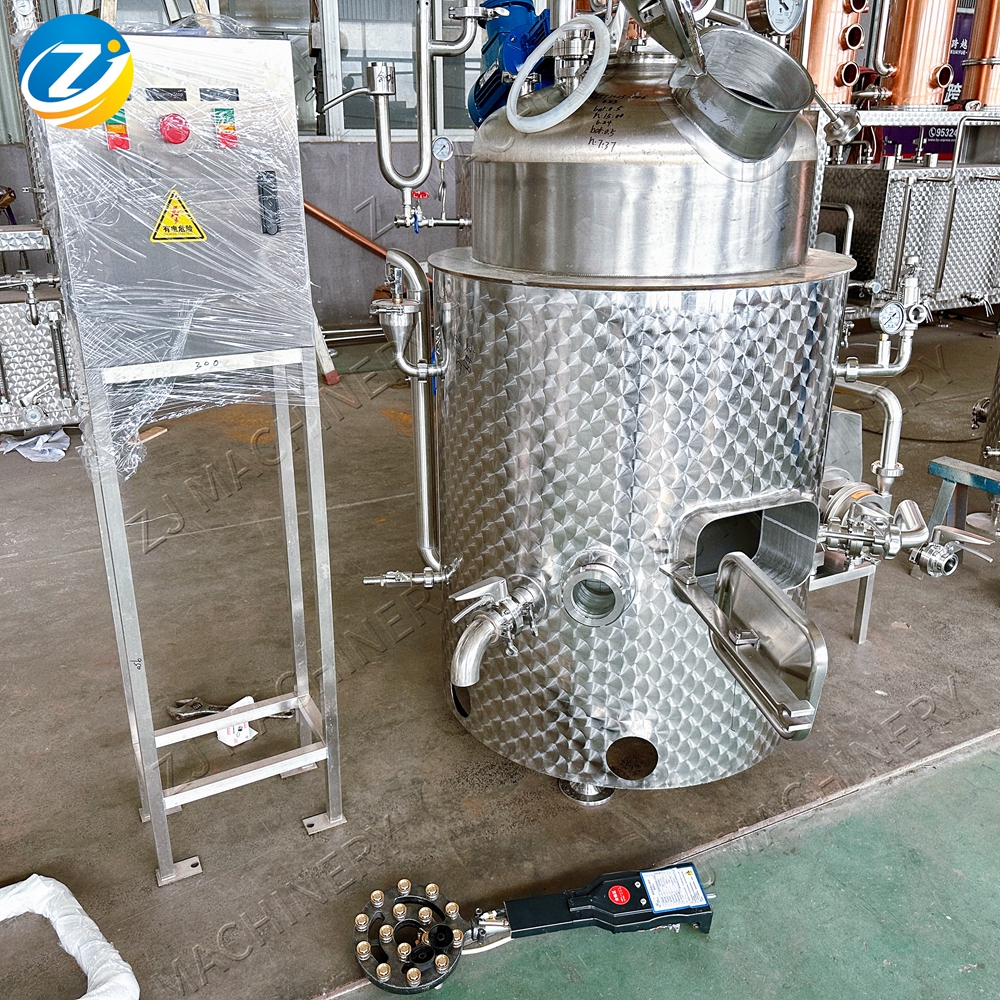
Direct Fire Heating (Traditional Method)
Used in traditional whisky and brandy production, direct fire heating applies an open flame (coal, peat, or natural gas) to the still. This method triggers rapid physical and chemical reactions, most notably the Maillard reaction (occurring at 140–165°C), which combines amino acids and sugars to produce caramel and nutty notes.
Pros:
Cons:
Uneven heating risks localized overheating, leading to burnt or bitter tastes.
Residual sediment at the still’s bottom may scorch, requiring frequent cleaning that can damage the equipment over time.
Steam Heating (Modern Method)
Steam circulates through a still’s jacketed walls or coils, offering indirect, uniform heat.
Pros:
Gentler distillation: Preserves delicate aromas and yields smoother, cleaner spirits.
Precise control: Adjustable pressure and temperature ensure consistency and safety.
Energy-efficient: Lowers operational costs.
Cons:
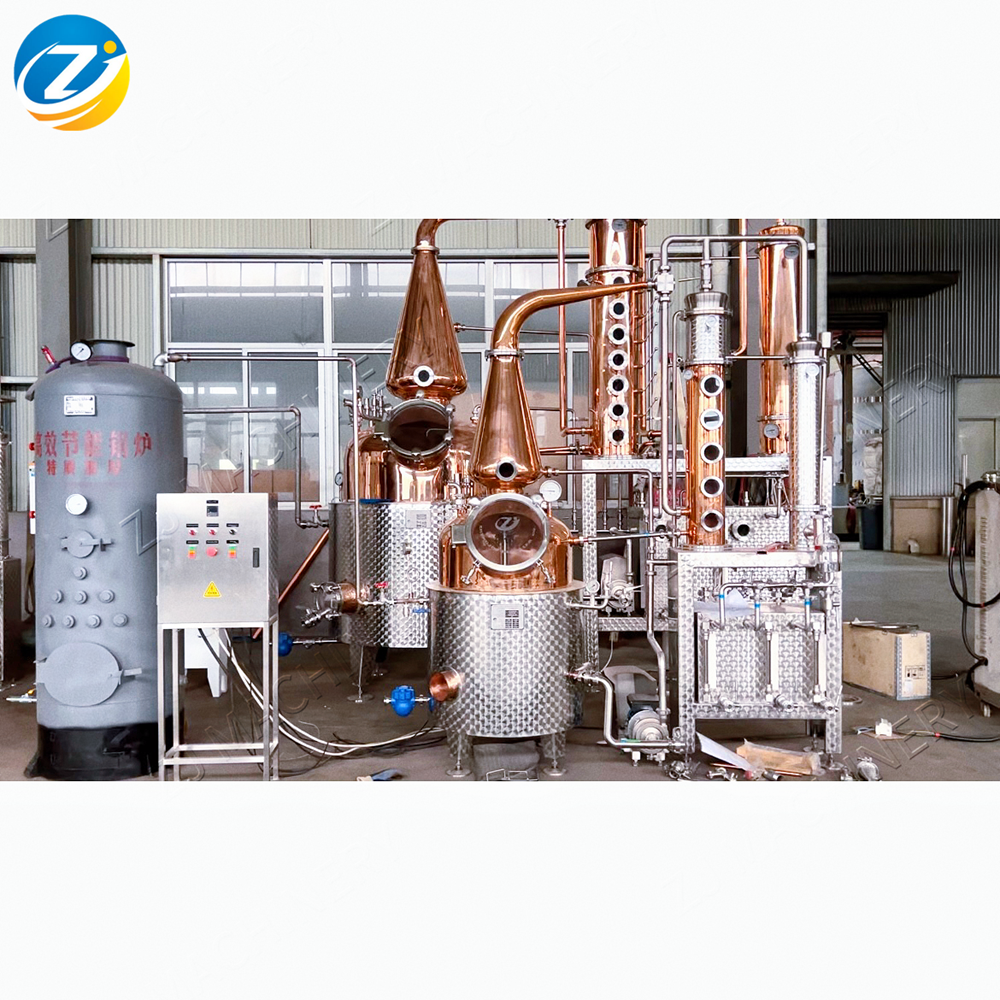
Electric Heating (Innovative & Eco-Friendly)
Electricity converts to heat, offering a clean, controllable alternative.
Pros:
Fast, precise: Enables stable distillation and product uniformity.
Zero emissions: No open flames or exhaust, ideal for sustainable production.
Cons:
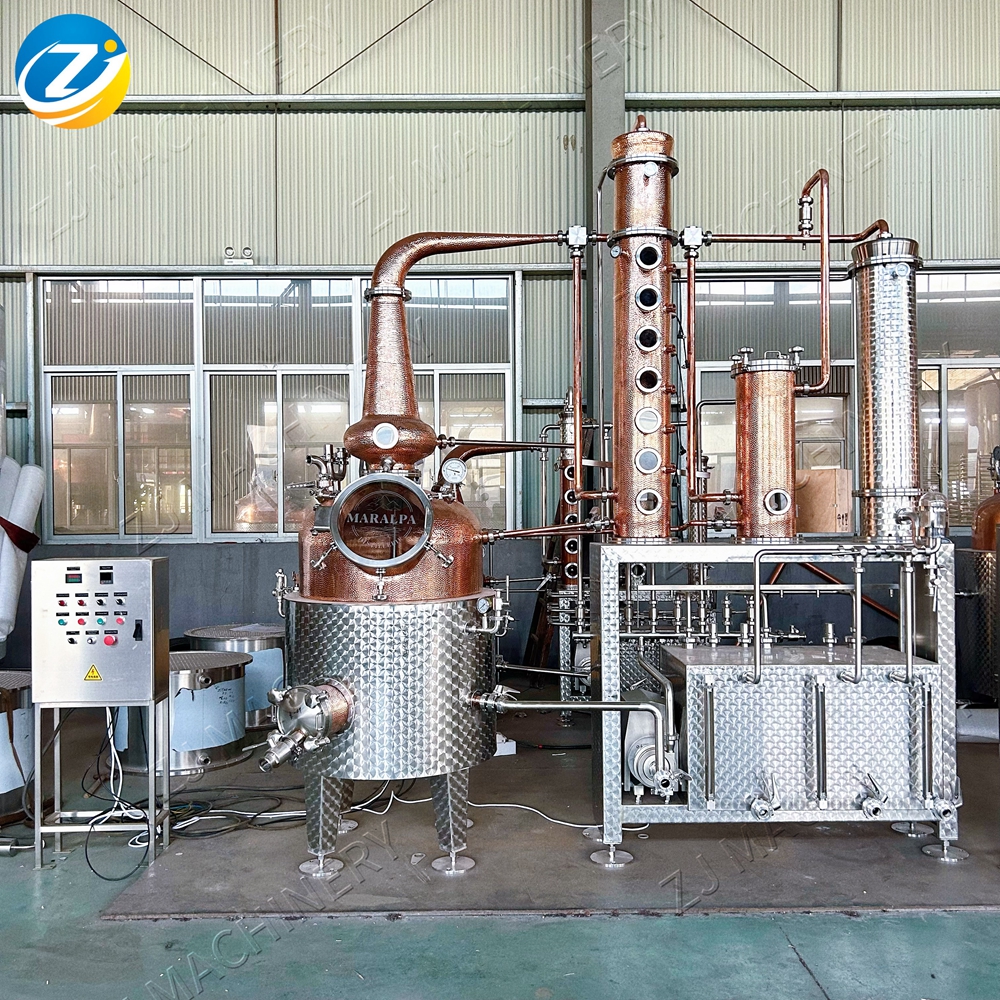
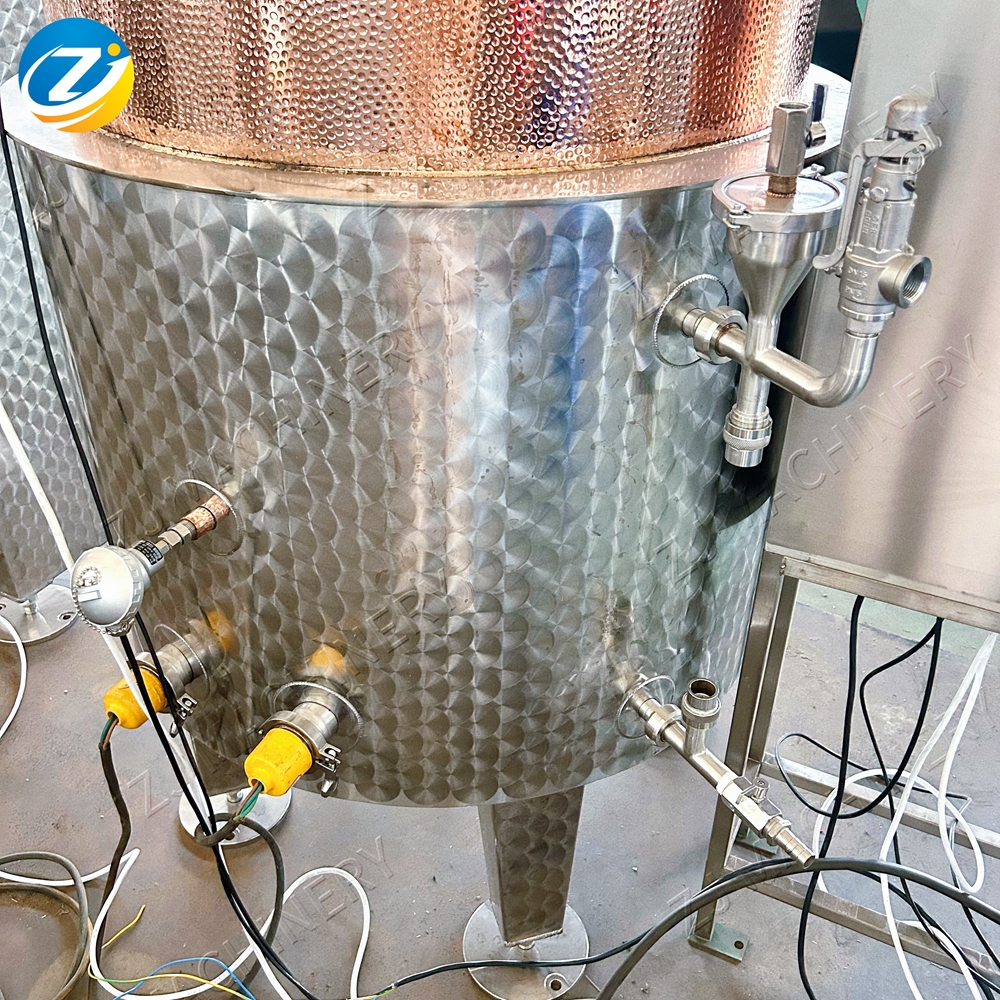
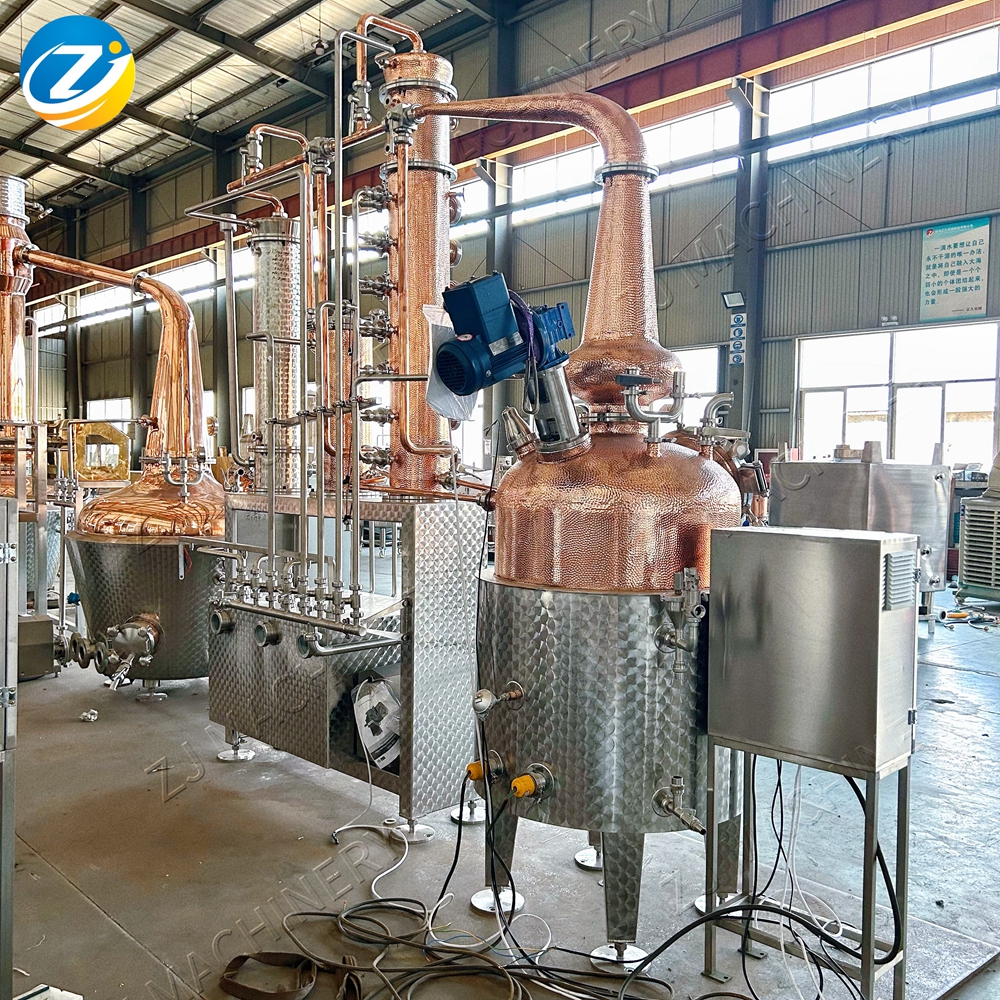
From commercial pot still to column stills like column still rum, the heating method critically impacts a spirit’s profile, production efficiency, and cost. Distilleries must align their choice with product goals—whether prioritizing bold flavors (direct fire), consistency (steam), or sustainability (electric).