If you're passionate about producing high-quality brandy, understanding the right equipment, process and craftsmanship is essential. This guide dives into the world of premium brandy production, offers expert tips on choosing the right stills, and reveals the secrets behind creating a spirit that tells a story in every sip.
What Is a Brandy Still and Why It Matters
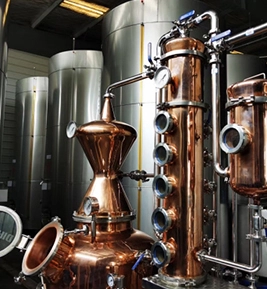
A “brandy still” refers to the specialized distillation apparatus designed to extract the essence of fermented fruit—typically grapes, apples or pears—and turn it into a refined spirit. When the fermented wash is heated, alcohol vapour rises, separates from water and other components, and then condenses back into liquid form. That distilled spirit retains the character of the fruit, and the still is at the heart of this transformation.
Using a correctly sized, well-constructed still means you’ll better capture the aroma, flavour and quality that define a premium brandy. Skimping on the wrong equipment may result in a flat or overly harsh outcome.
Types of Stills: Material and Design Choices
When selecting a still, the material and design play key roles in flavour outcome and operating ease. Here’s how the main types compare:
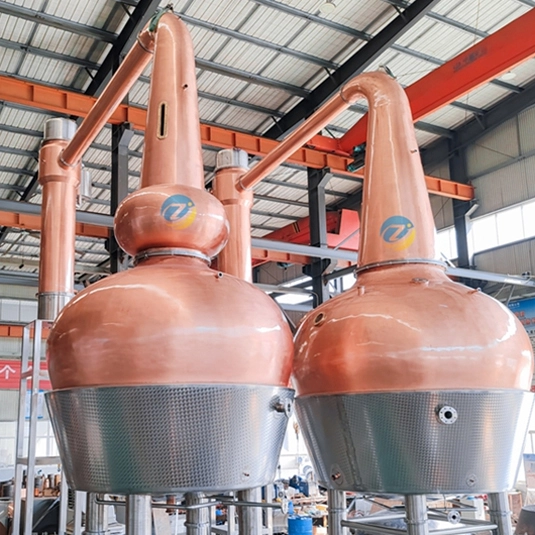
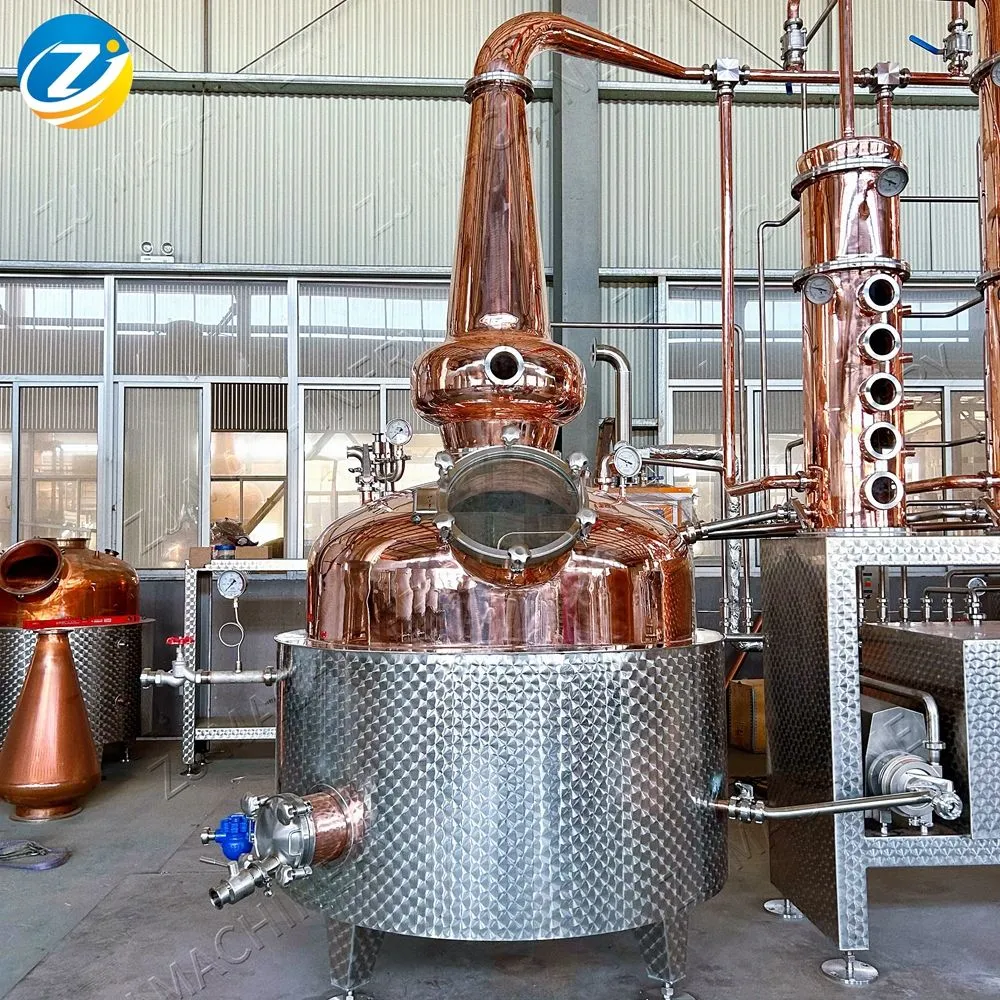
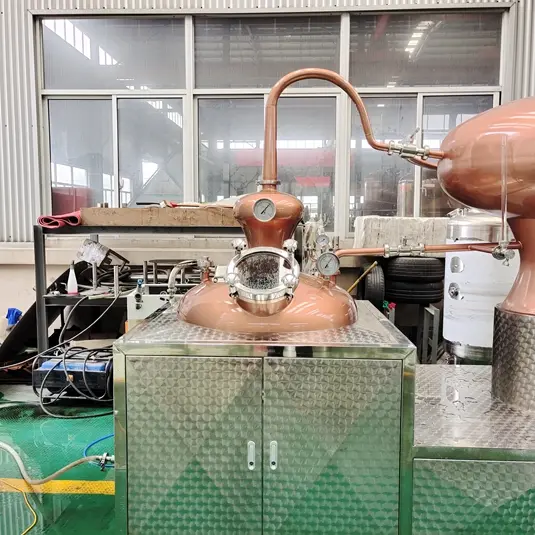
Copper pot stills: Copper is widely used thanks to excellent heat conduction and its ability to remove sulphur compounds—often undesirable in spirits. For brandy, many premium distillers favour copper pot stills for the rich, deep character they deliver.
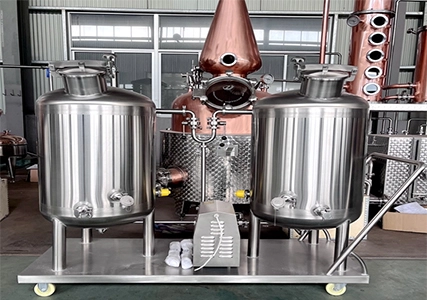
Stainless steel stills: While less traditional, stainless steel is durable, resistant to chemical and physical wear, and easier to maintain. Many modern fabricators combine copper and stainless steel to capture the benefits of both.
Alembic stills: An ancient, simple design (a pot and a long bent neck leading to a condenser). Popular for small-scale, boutique brandy distillers who value the traditional look and feel.
Hybrid stills: For distillers exploring multiple spirit types—including brandy—hybrid still for sale blends features of pot stills and column stills for flexible output.
Choosing the right construction and size depends on whether you’re making brandy for personal use, boutique production or commercial scale.
The Brandy Production Process: Step by Step
Understanding the craft behind brandy helps you appreciate why equipment and choices matter. The basic steps are:
Fermentation – Fruit juice (grape, apple, pear) is fermented by yeast, converting sugars into alcohol and creating a wine-like wash.
First Distillation – The fermented wash is heated in the pot still to collect “low wines”, a lower-proof distilled liquid.
Second Distillation – The low wines are distilled again, concentrating alcohol and flavours. Here the distiller’s skill comes into play: correctly monitoring temperature, recognising “cuts” (the foreshots, hearts and tails) and shaping the spirit’s final character.
Aging – The distilled brandy is transferred to barrels or other aging vessels, where over months or years it develops colour, aroma and flavour. The length and conditions of aging markedly affect final quality.
Each step links directly to your still’s design, your choice of material and your distilling decisions. For example, copper stills capture more congeners (flavour compounds), while hybrid models may give flexibility at the cost of some traditional character.
How to Choose the Right Brandy Still for Sale
Whether you're a novice or setting up a micro-distillery, selecting the right still is a critical decision. Use the following checklist to guide you:
Determine your output volume: Are you producing brandy for personal enjoyment (e.g., 5–10 gallon batches) or commercial scale (100 gallons +)? The still must match your production goals.
Pick the right material: For full craft flavour, copper pot stills are highly recommended. For easier maintenance or lower cost, stainless steel or hybrid models may suffice.
Evaluate the manufacturer and brand reputation: Look for manufacturers with years of experience and solid track records in distilling equipment. A reputable brand means better engineering, support and longevity.
Check for essential accessories and support: Good stills should include thermometers, condensers, collection vessels and possibly spare parts or warranties. Ensure the supplier offers customer service and after-sales support.
Budget wisely: Premium equipment costs more, but investing in a good still can pay dividends in flavour, reliability and lifespan.
Making an informed purchase now saves headaches later and helps you focus on perfecting your brandy rather than fixing equipment.
Creating premium brandy is both a science and an art. From selecting the ideal brandy still for sale to mastering fermentation, distillation and aging, every step depends on thoughtful choices and craftsmanship. Whether you’re just starting or scaling up your distillery, remember: a great brandy begins with the right still and a passion for excellence.
Ready to explore top-quality distilling equipment and deepen your craft? Reach out to a trusted manufacturer, ask for detailed specs, compare materials and designs—and take the first step toward producing a spirit that captures the true essence of your fruit, your region and your story.