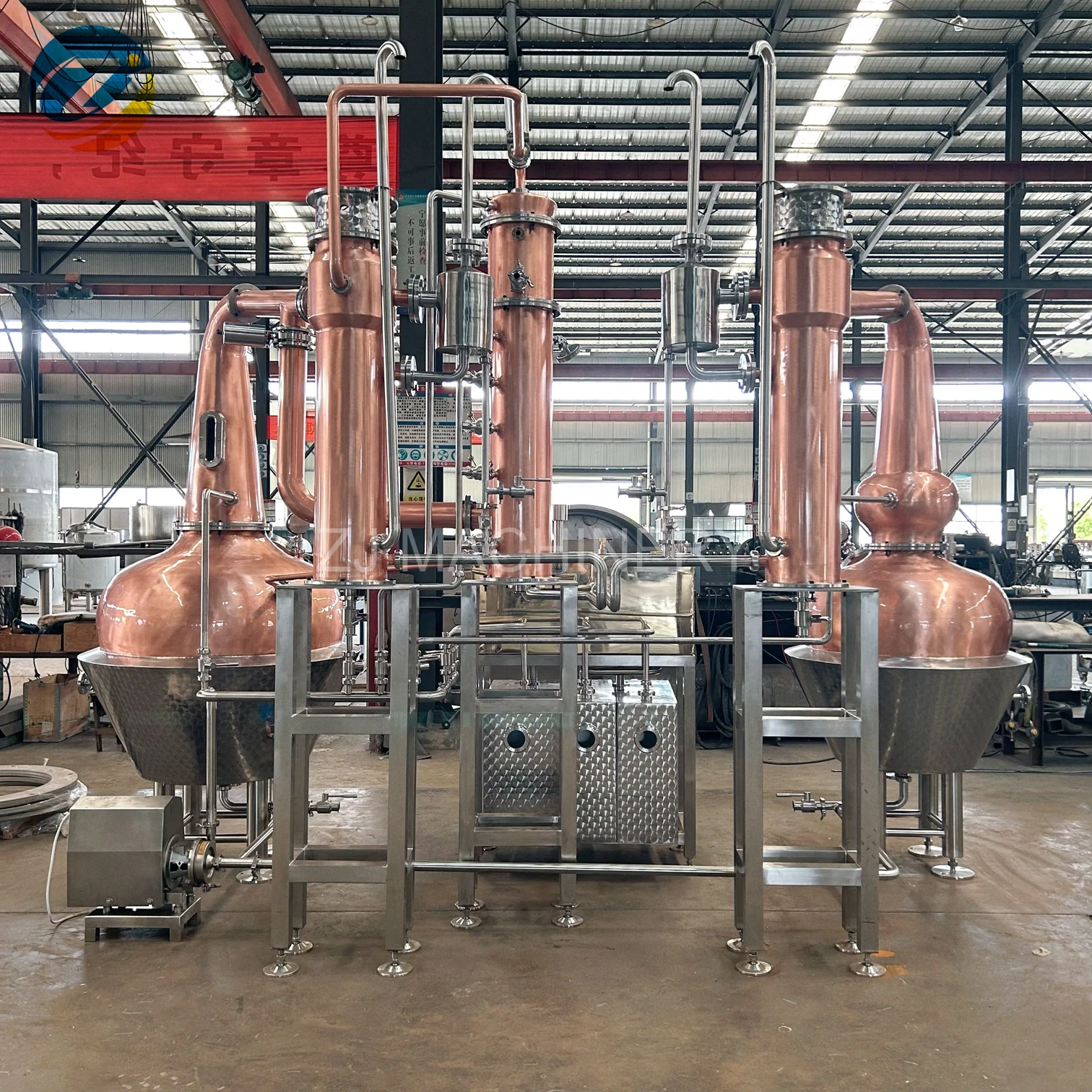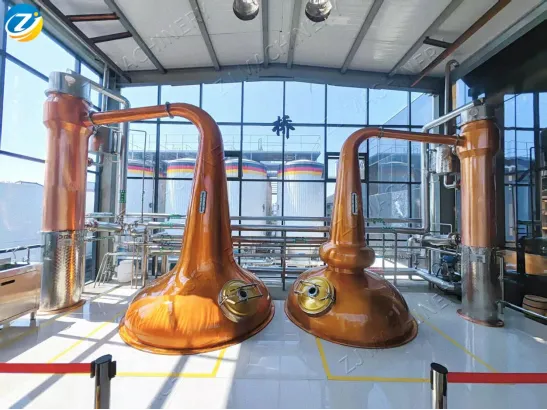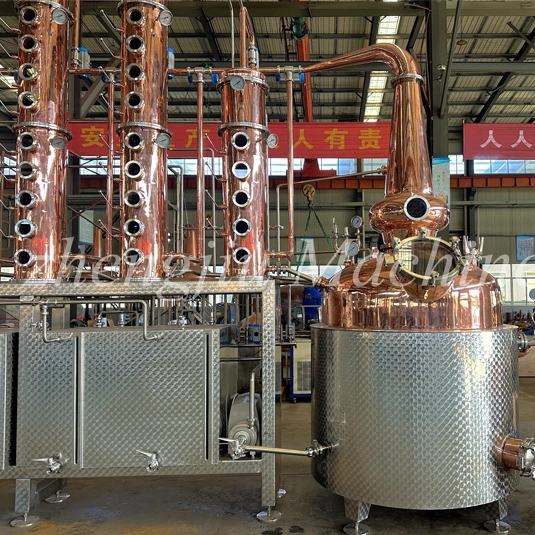


What is distillation?
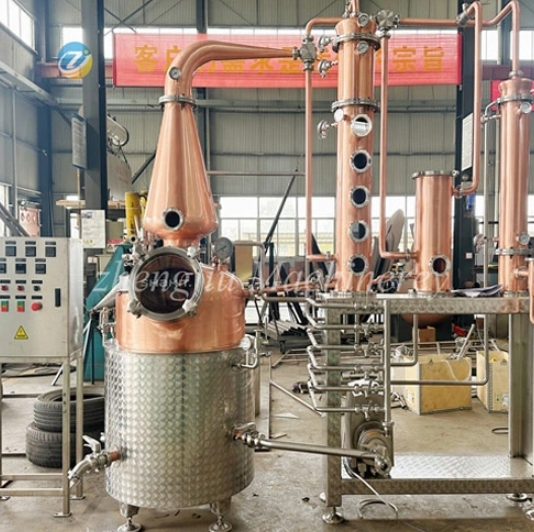
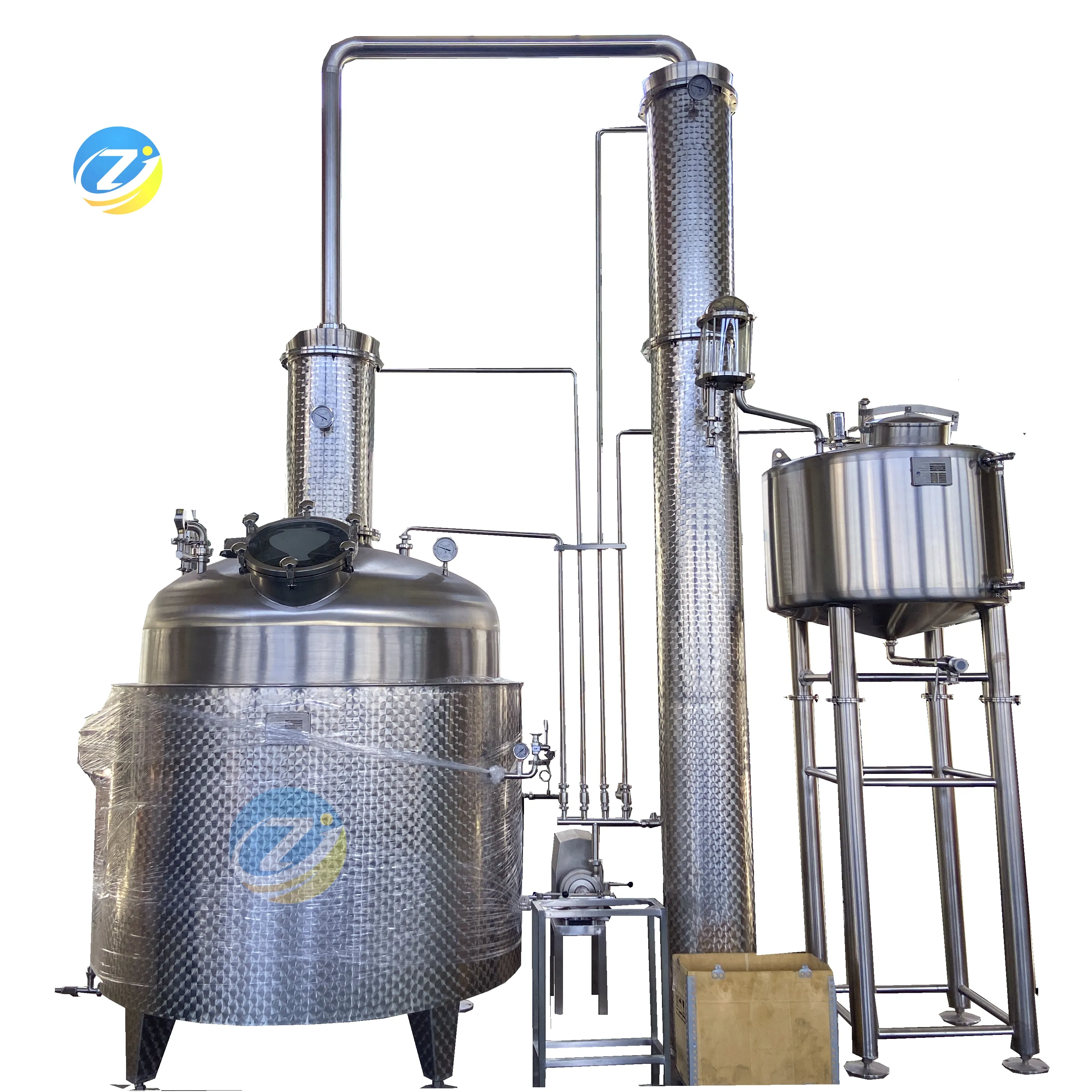
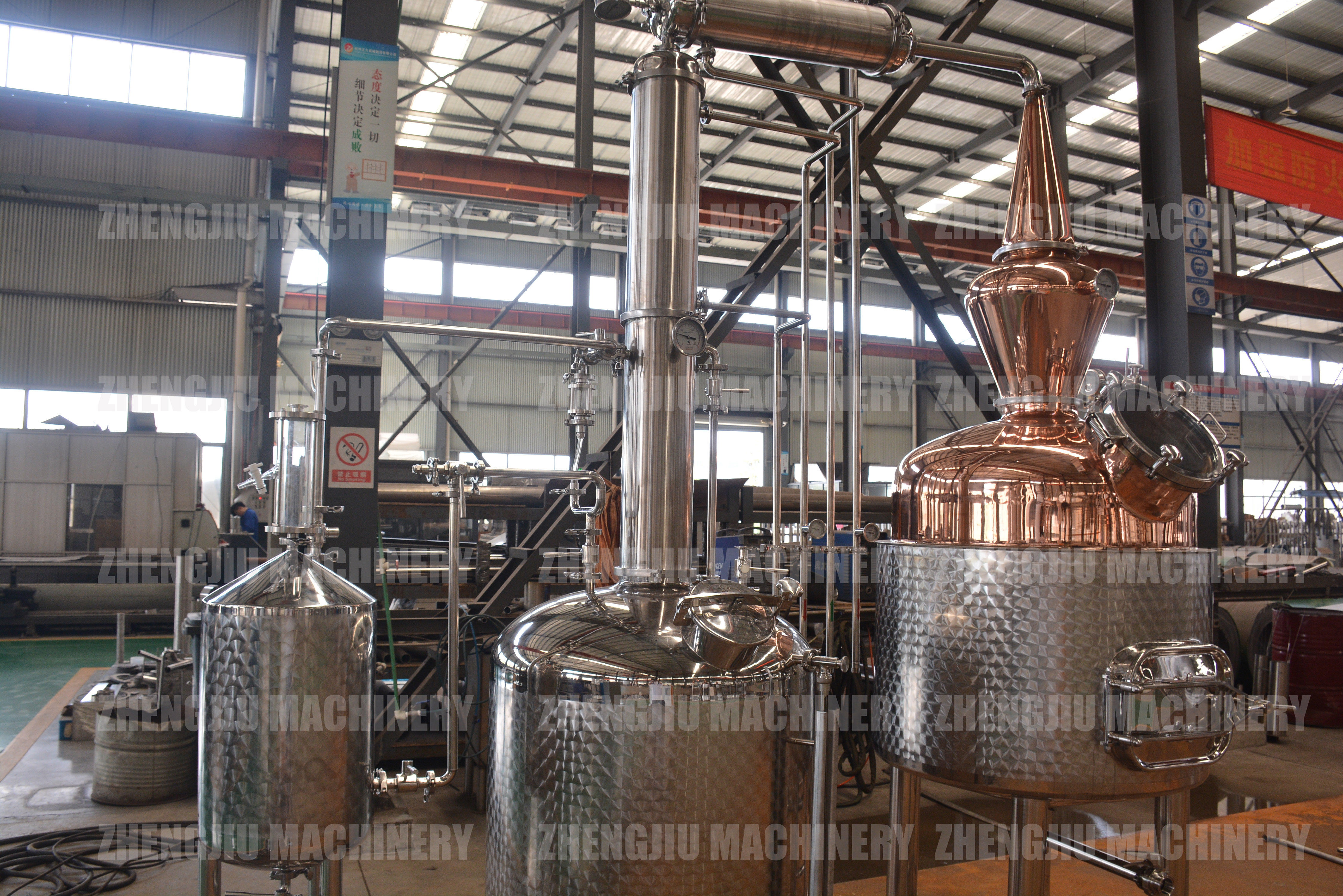
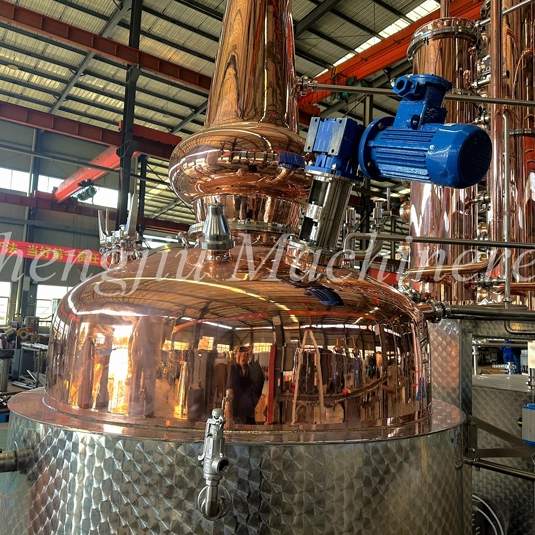
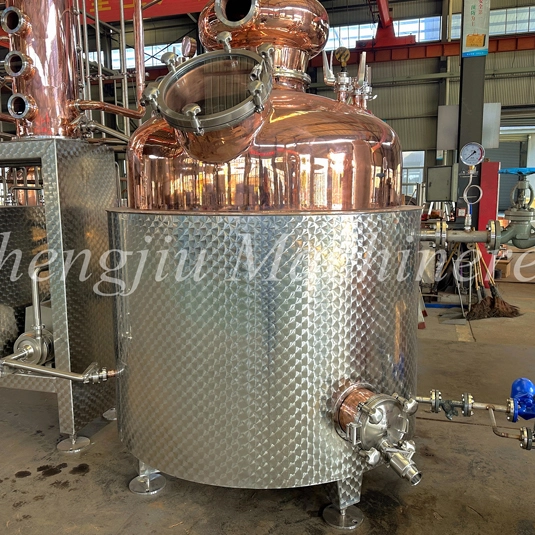
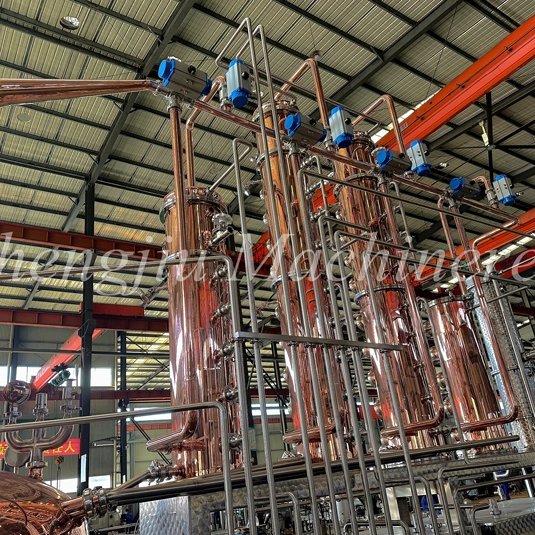
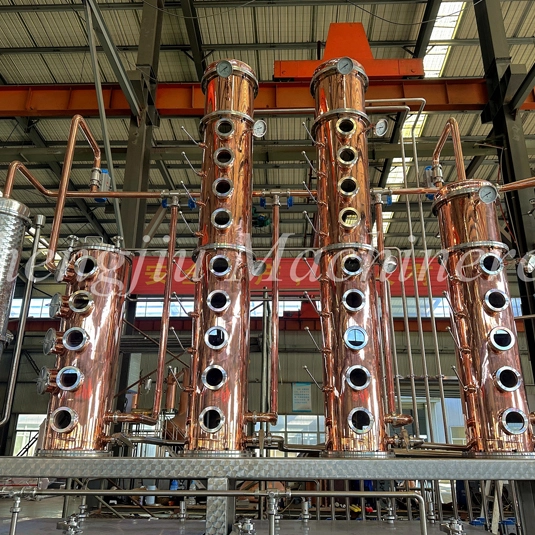
Distillation is based on the difference in the boiling points of different components in the liquid or gaseous state to achieve separation. In this process, we convert a liquid into a vapor, then re-condense it and collect it in a container. We also use this technique to obtain pure liquids from non-volatile impurities. It can also be used to increase the absorption of specific components in a mixture. The distillation process begins by heating the liquid to its boiling point. This causes the liquid to evaporate and form a vapor. Afterward, the gas is cooled by passing it through a tube at a lower temperature. The cooled vapors condense and form a distillate.
The distillate is the pure form of the original liquid because it leaves behind impurities and produces distillates. When we repeat this process on the collected liquid, we call it double distillation.