How Is Vodka Made?
Vodka production involves two key stages: fermentation and distillation.
1. Fermentation:
Grains, potatoes, or other starches are mixed with water and heated.
Yeast breaks down sugars, producing alcohol (ethanol) and CO₂.
The fermented liquid is filtered to remove solids before distillation.
2. Distillation:
The low-ABV liquid is heated in a still, separating alcohol from impurities.
Alcohol vapor (with a lower boiling point) rises and is condensed back into liquid.
Many vodkas are distilled multiple times for higher purity (up to 95% ABV).
The final product is diluted with water to 40% ABV (80 proof) and sometimes flavored.
For distillers, selecting the right equipment ensures precision and quality.
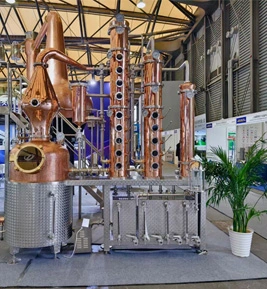
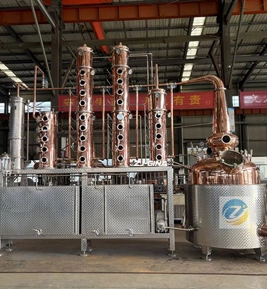
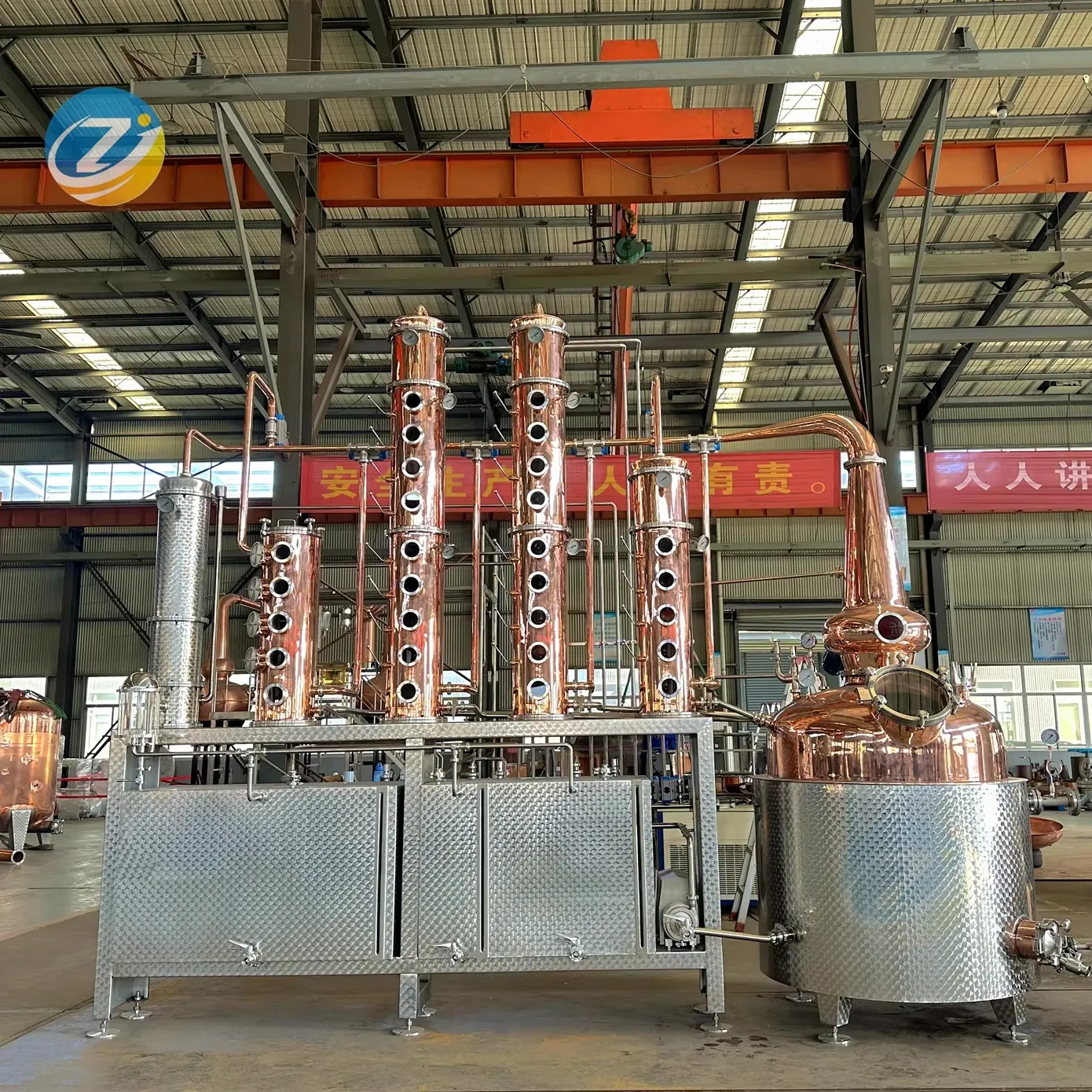
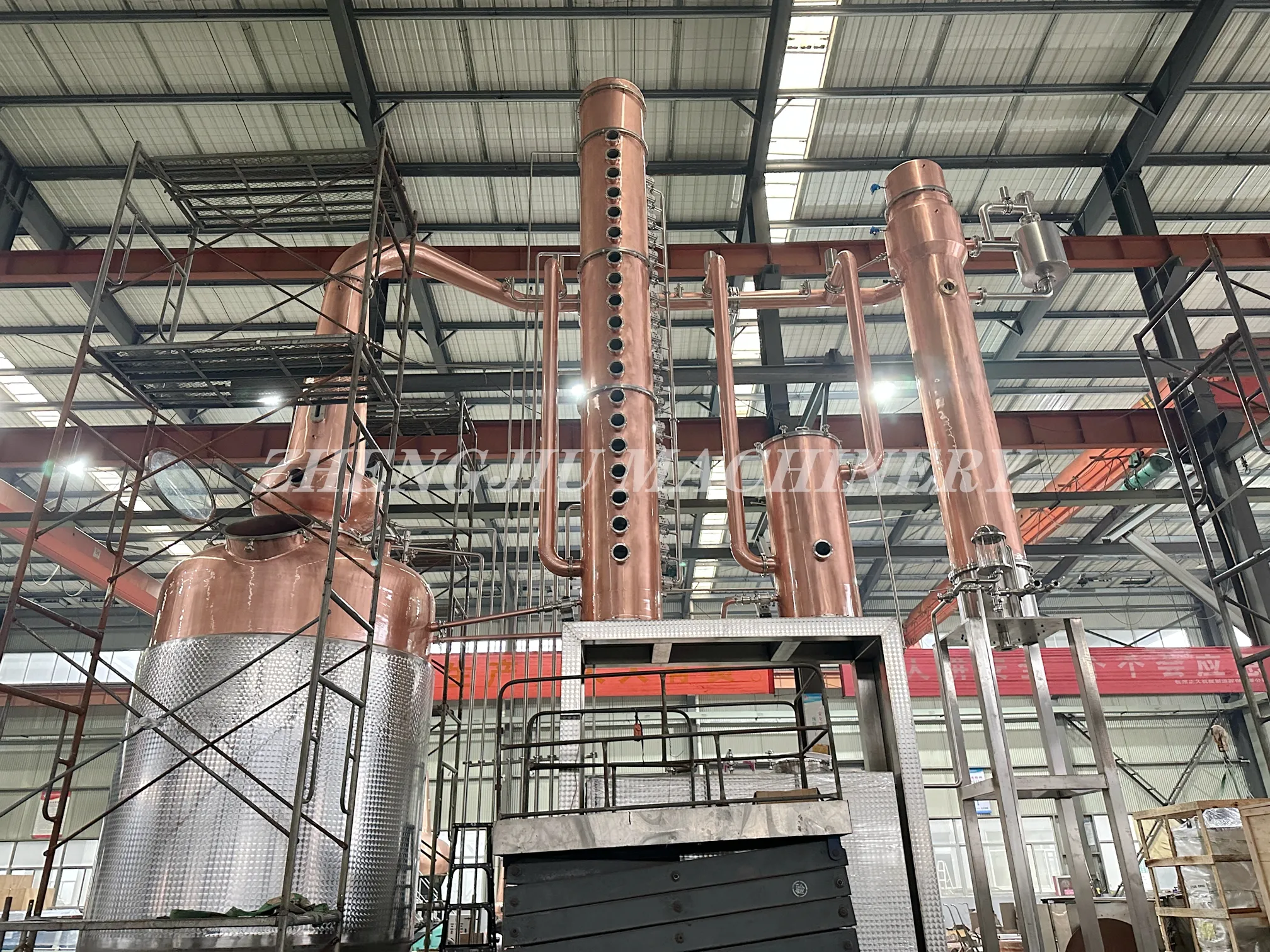
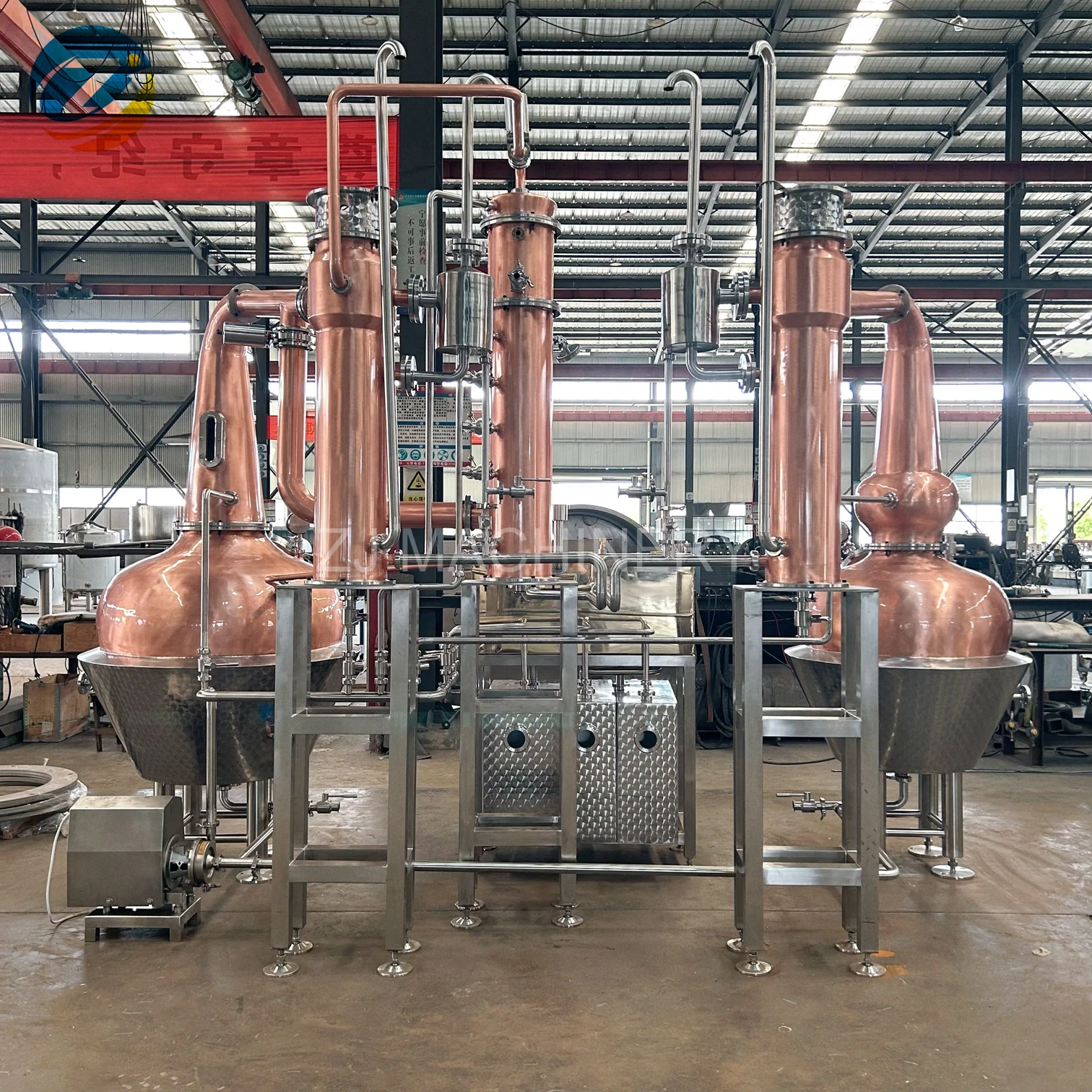
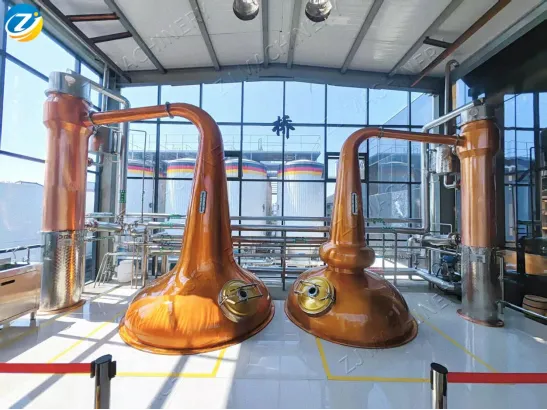
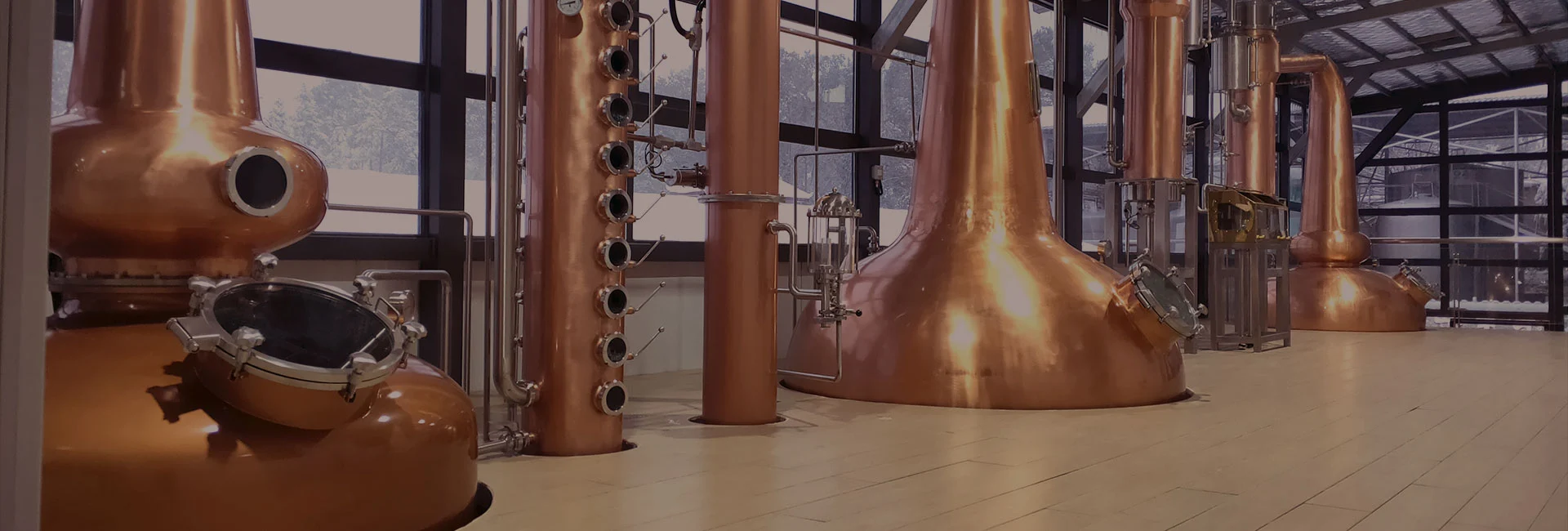
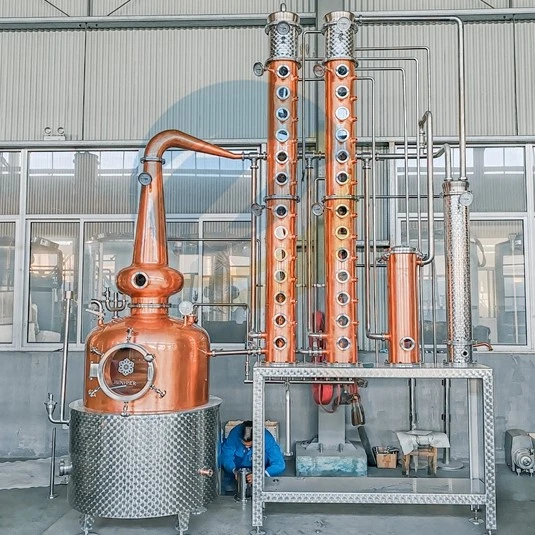
ZJ Distill offers vodka stills that commonly integrate rectification columns with 20–40 plates, specifically designed to achieve the high purity and neutral flavor required for vodka production.
With proper design—particularly using 20–40 rectification plates—vodka stills can achieve up to 95–96% ABV in a single run. This aligns with industry standards for neutral spirit purity before dilution.
Rectification columns enhance separation efficiency through fractional distillation—multiple plates allow repeated cycles of evaporation and condensation. This results in a much higher alcohol purity (up to 95–96% ABV) and the removal of impurities—critical for the clean, neutral profile of vodka.
Yes. ZJ Distill’s equipment is fully customizable, with capacities ranging from 1,000 L to 10,000 L or more, and optional materials including copper (TP2) and stainless steel (SS304/SS316). They also support various heating methods such as electric, steam, or gas, and offer certifications like CE, ATEX, and IECEX.