Copper as a Catalyst in Distillation
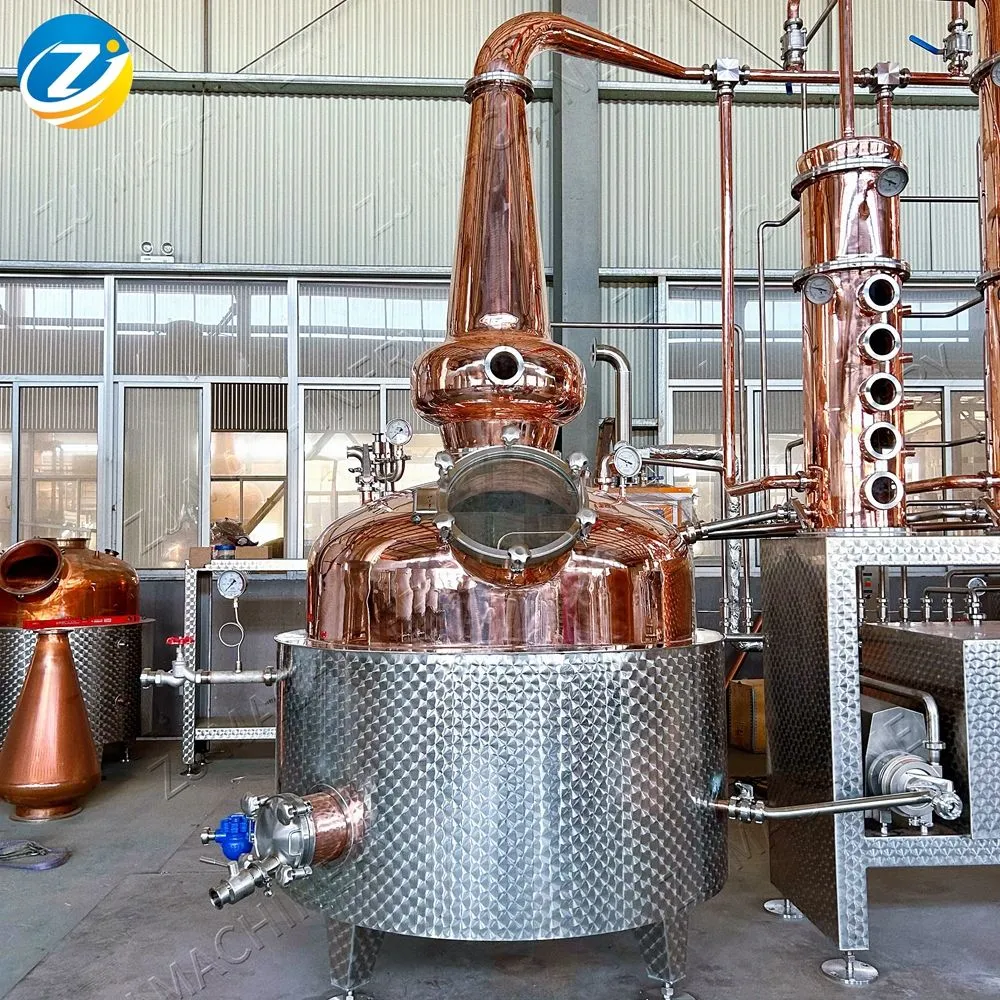
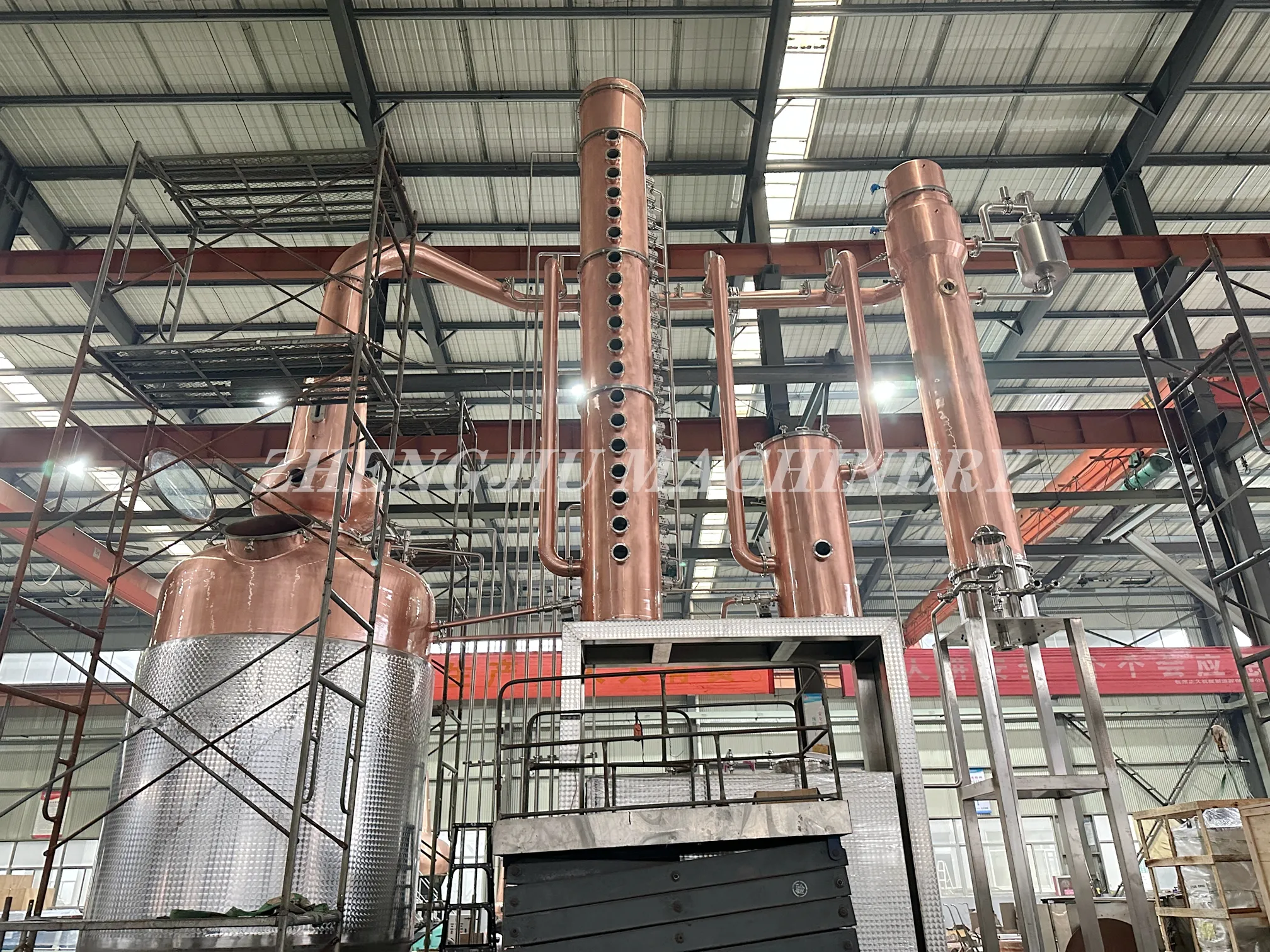
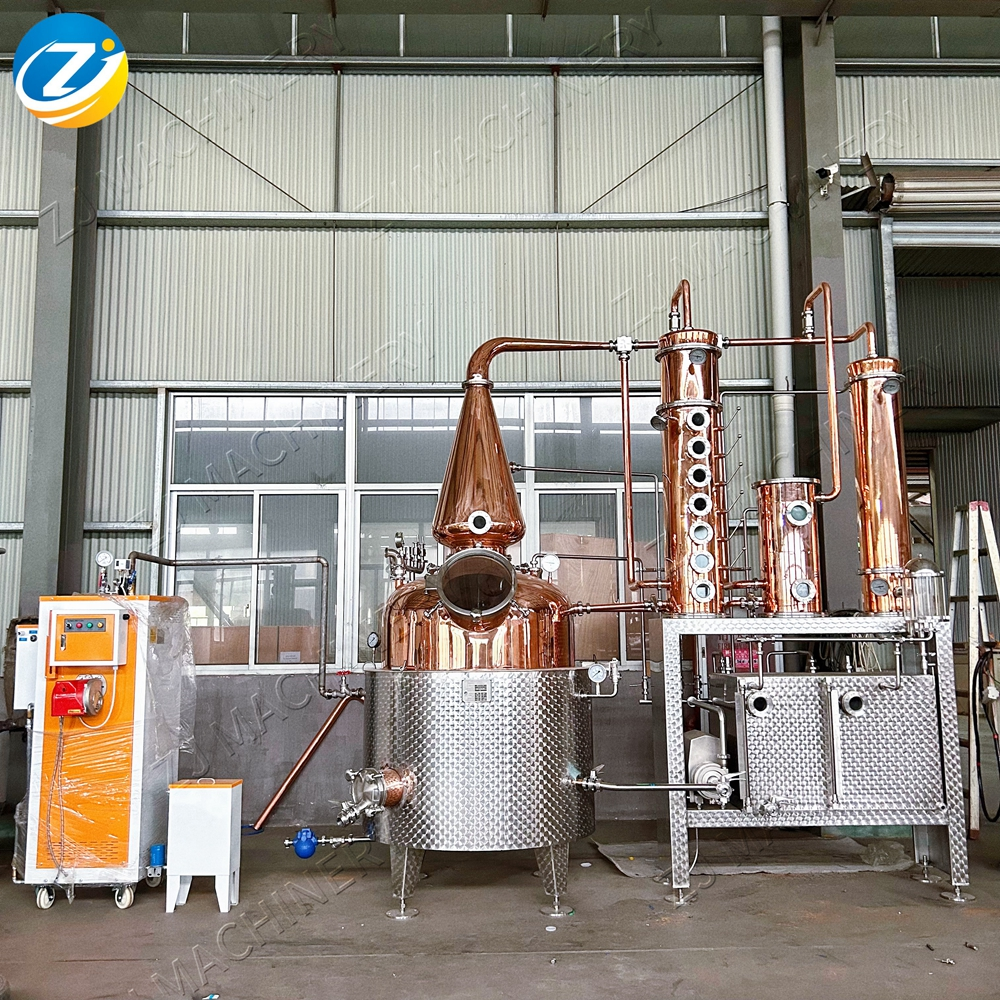
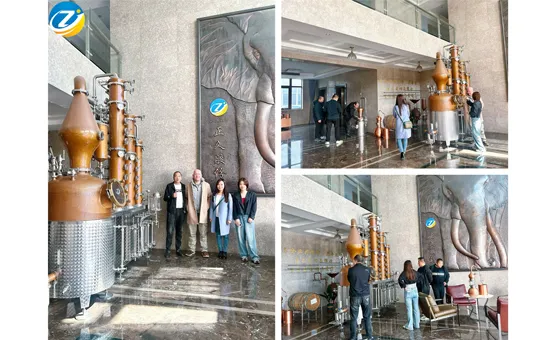
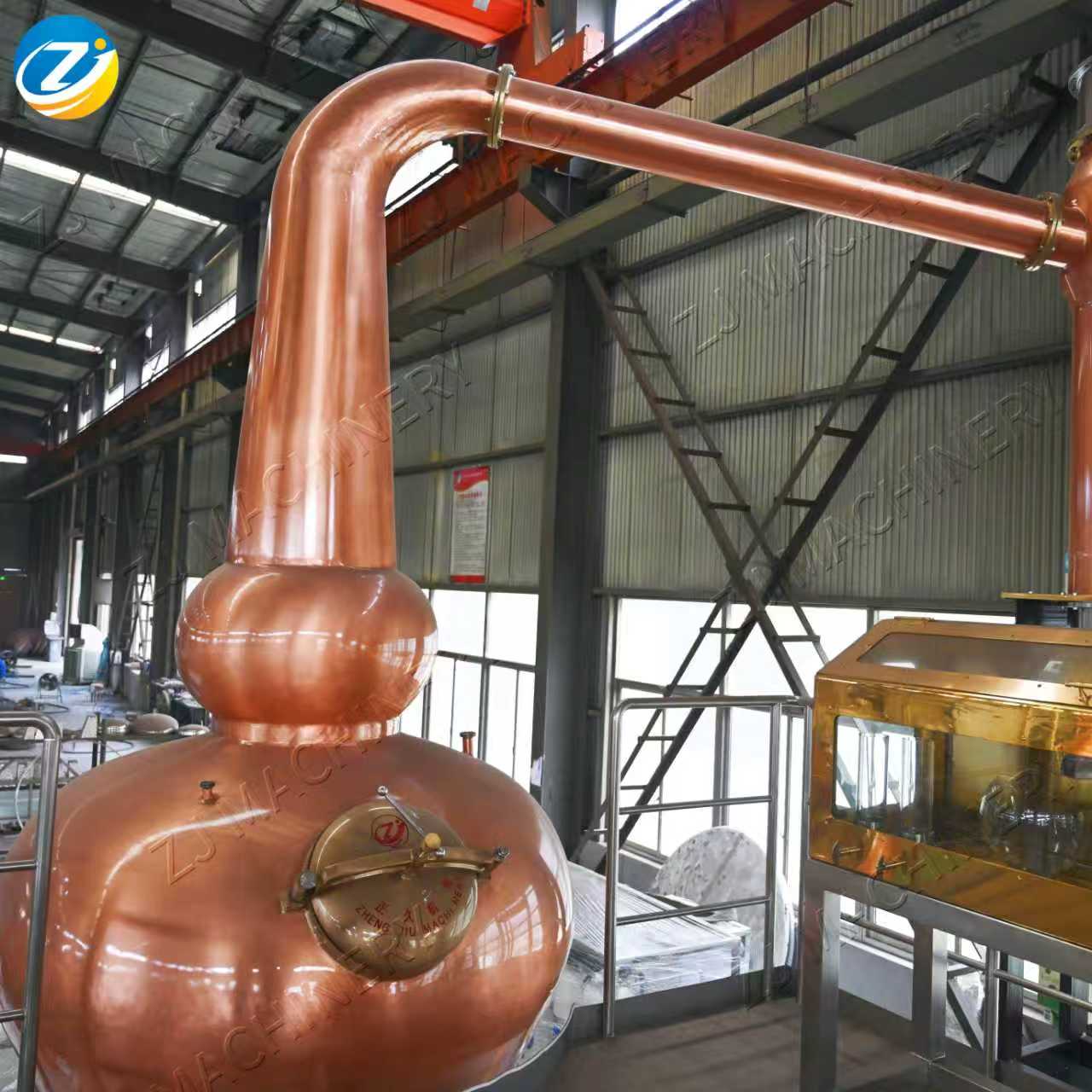
When examining why commercial copper stills remain the preferred choice for distillers, one of the most significant reasons lies in copper's natural catalytic properties. Copper reacts with sulfur compounds generated during fermentation, effectively neutralizing them and preventing unwanted off-flavors. This unique interaction allows spirits to develop a smoother, cleaner character. Copper pot still manufacturers like Zhengjiu have capitalized on these advantages, designing copper pot stills that enhance both efficiency and flavor.
Enhancing Aroma and Depth of Spirits
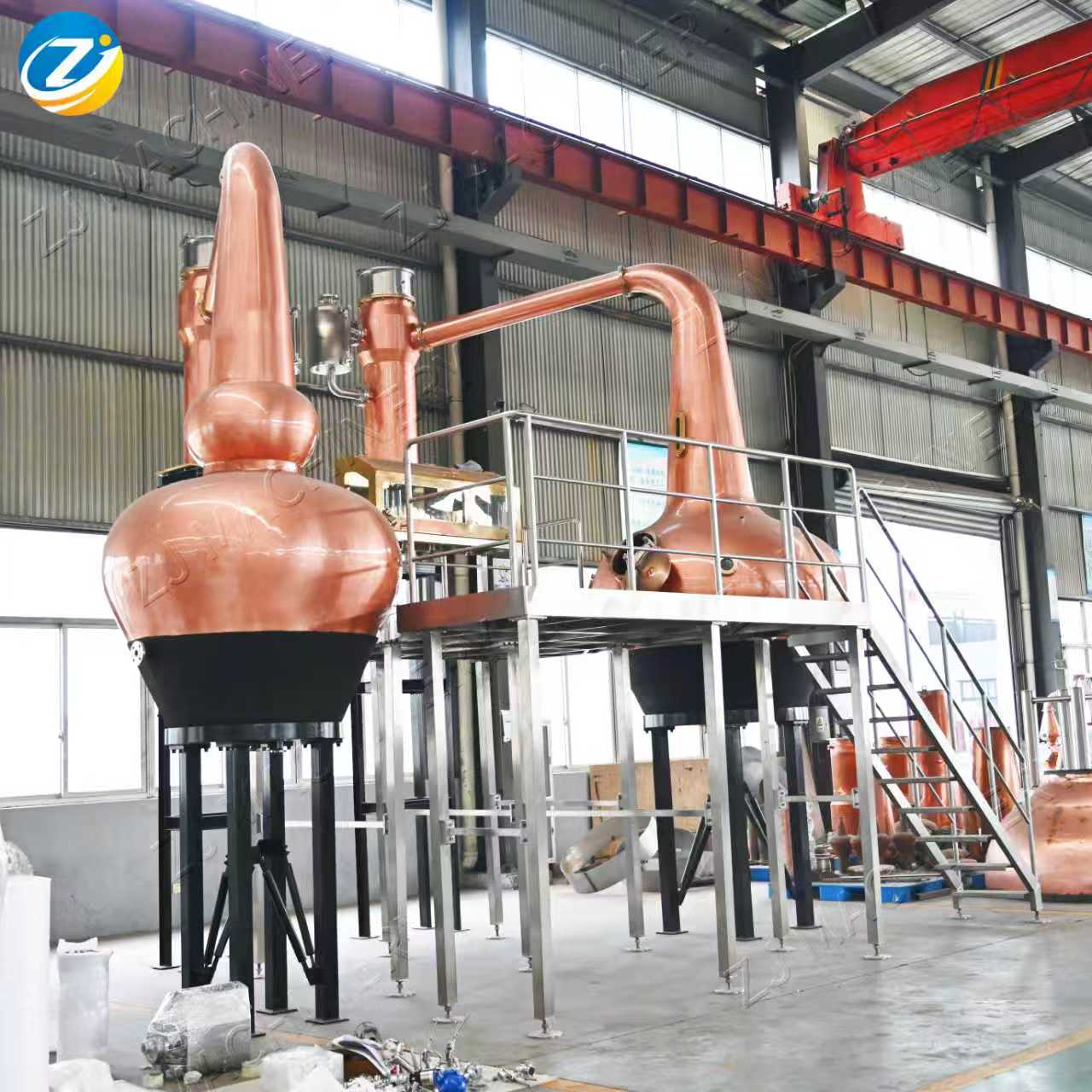
The impact of copper extends beyond eliminating harsh elements; it also enriches the aromatic profile of distilled beverages. A well-designed copper still encourages delicate reactions between volatile compounds, creating a layered aroma and depth of taste. This is particularly vital in whiskey and brandy production, where the final product must express complexity. By utilizing commercial copper stills, distilleries gain the ability to craft spirits that showcase a balance of sweetness, fruitiness, and smoothness.
Advantages of Copper vs. Stainless Steel in Distilling
Aspect | Copper Stills Advantages | Stainless Steel Alternatives |
Flavor Development | Superior removal of sulfur compounds, smoother flavor profile | Neutral effect on flavor, may retain harsher notes |
Heat Conductivity | Excellent, ensures even distillation and temperature stability | Lower, can lead to hot spots or uneven heating |
Aroma Complexity | Enhances aromatic compounds and depth | Limited influence on aroma development |
Maintenance | Requires regular cleaning to prevent oxidation | Easier maintenance but without flavor-enhancing effect |
Tradition & Aesthetics | Classic design with long heritage in spirit making | More modern, industrial look without cultural impact |
This comparison shows why commercial copper stills continue to be essential for premium spirit production, especially when flavor depth and authenticity are priorities. Stainless steel may offer convenience, but it lacks the transformative role that copper plays in spirit character.
The Role of Design in Flavor Outcomes
Beyond material, the structural design of stills contributes greatly to flavor results. For example, taller necks encourage lighter vapors to pass through, producing smoother spirits, while shorter necks retain more congeners, creating robust and heavier flavors. Companies like Zhengjiu integrate traditional alembic styles with modern engineering, allowing distillers to select designs tailored to their flavor goals.
Long-Term Value of Copper in Spirit Making
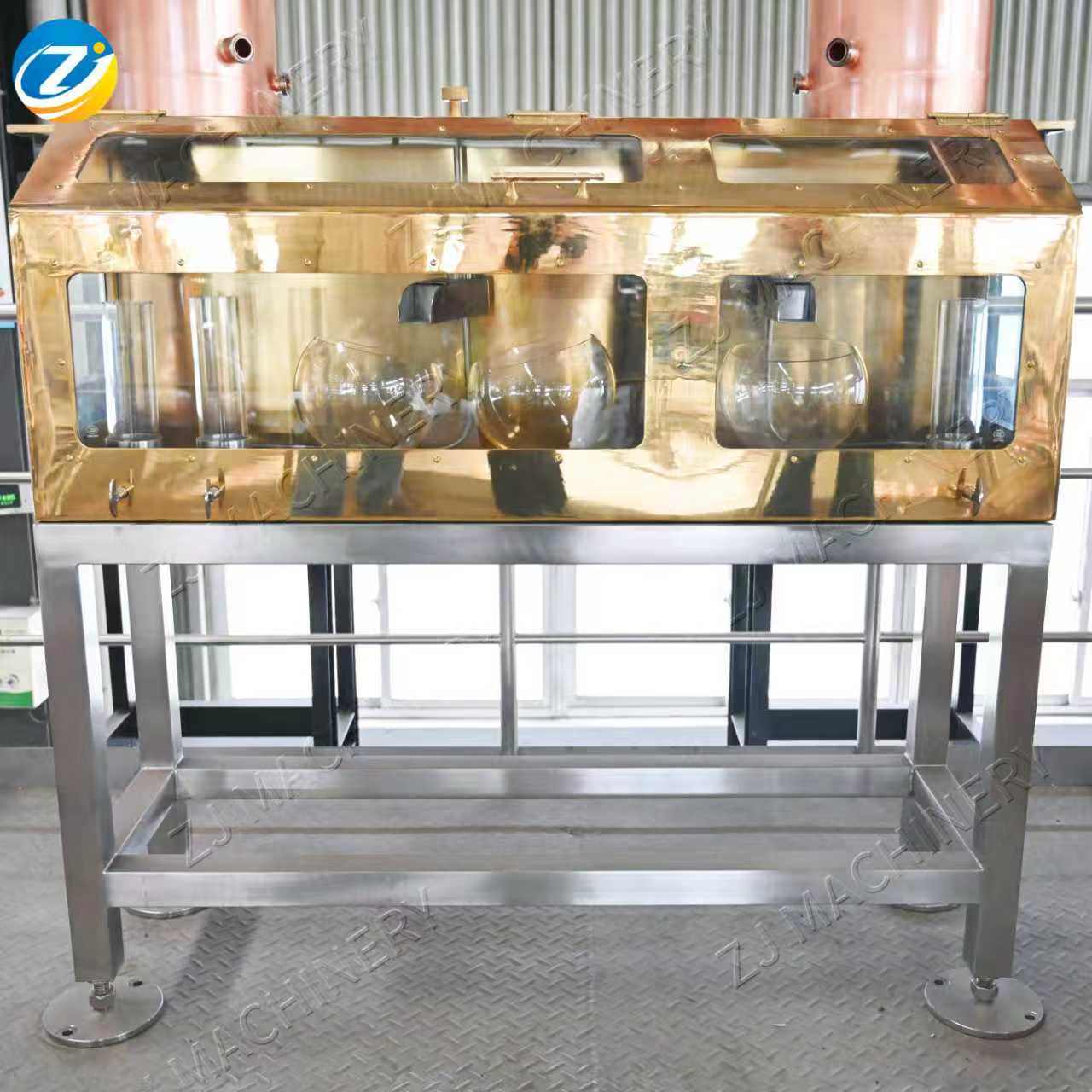
Investing in copper stills is not only about immediate results but also long-term consistency in spirit character. The interaction between copper and distillate provides a reliable method of controlling impurities while fostering desirable flavors batch after batch. For commercial producers, this means branding consistency, which is essential for building consumer trust and recognition. With equipment such as those developed by Zhengjiu copper pot still manufacturers, distilleries ensure both efficiency and the unmistakable flavor signatures that only copper can deliver.