Introduction
In the world of craft spirits production, distillation is both a science and an art. Among all types of distillation equipment, the copper pot still remains one of the most iconic and widely used systems for producing premium spirits such as whiskey, rum, brandy, and gin.Its popularity comes from a unique combination of traditional craftsmanship and functional chemistry. In this guide, we will explain how a copper pot still works, why copper is essential in distillation, how to operate and maintain the system, and what common mistakes distillers should avoid.Manufacturers like Hangzhou Zhengjiu Machinery Manufacturing Co., Ltd. continue to modernize traditional copper still designs, combining heritage craftsmanship with advanced engineering to meet the needs of modern distilleries worldwide.
What Is a Copper Pot Still?
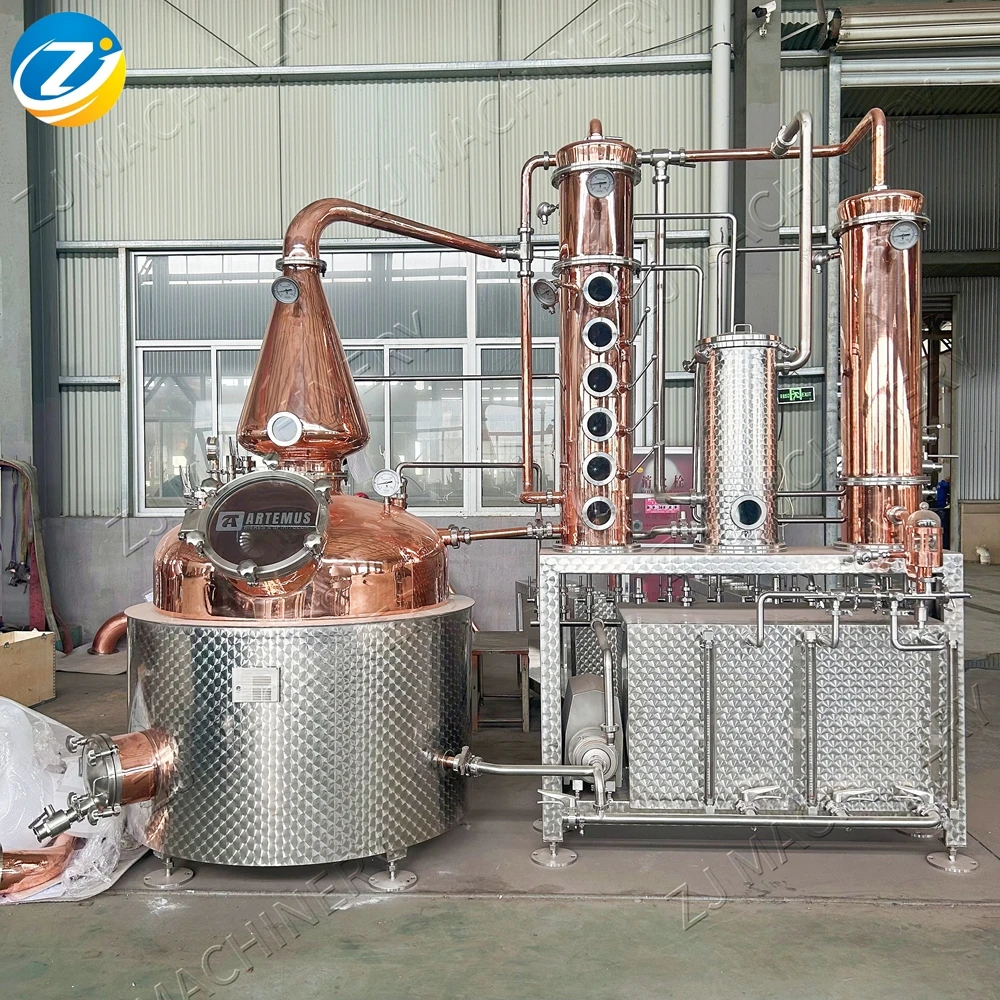
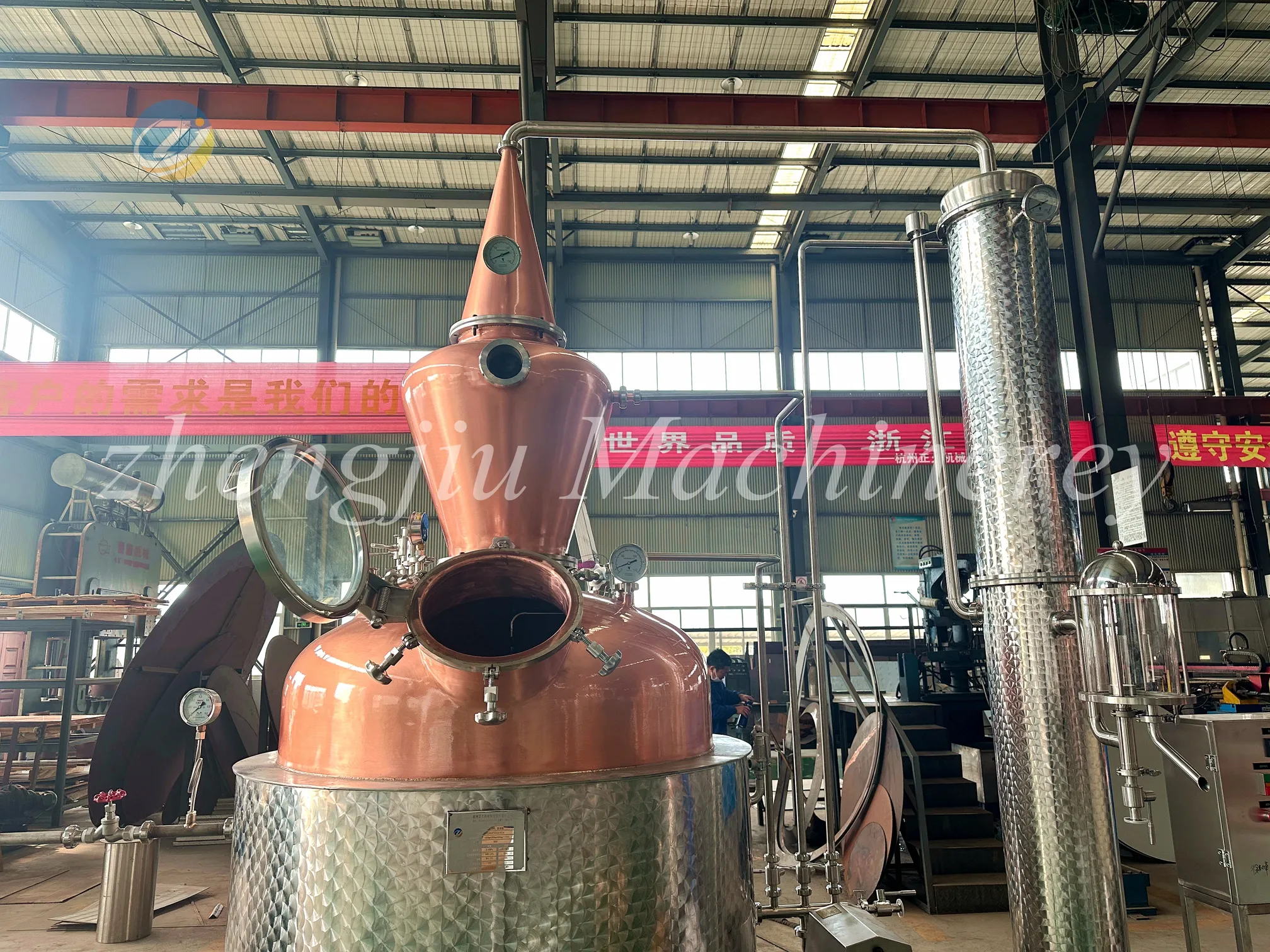
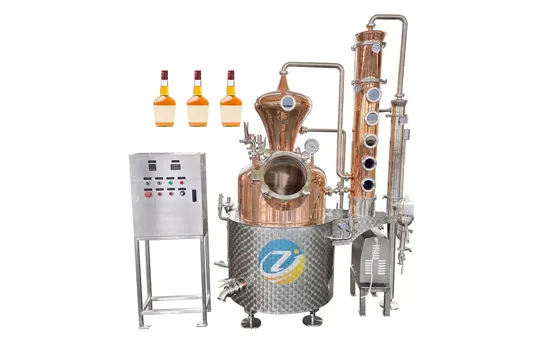
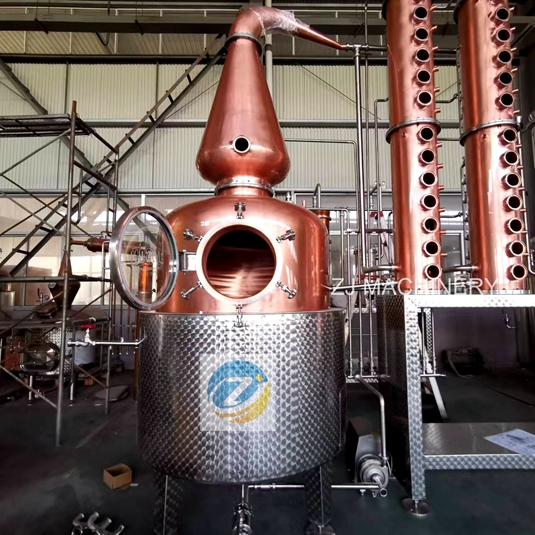
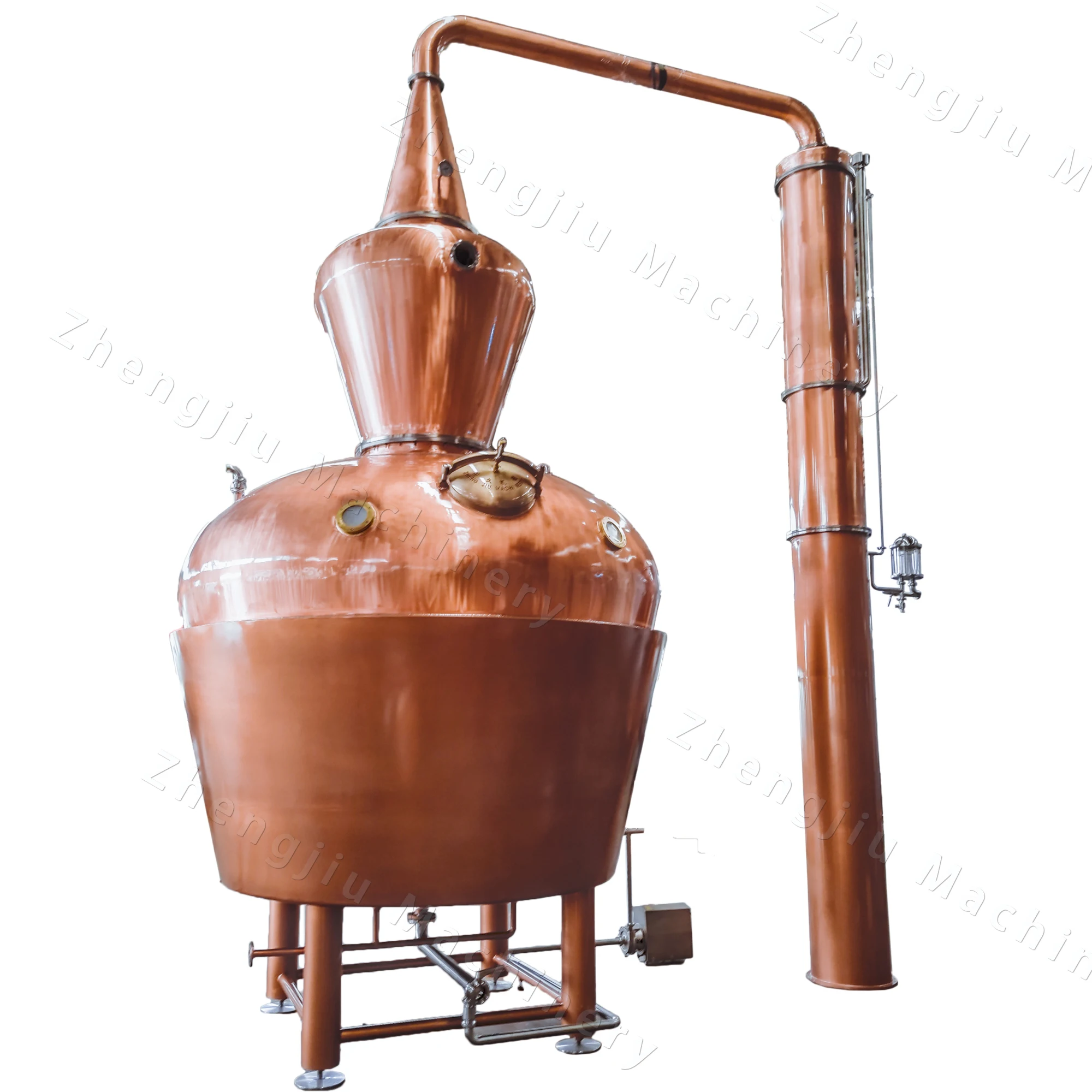
A copper pot still is a batch distillation device used to separate alcohol from fermented liquid (wash or mash) through controlled heating and condensation.It typically consists of three main components:
Boiler (pot): where fermentation liquid is heated
Swan neck / head: where alcohol vapors rise
Condenser: where vapor is cooled back into liquid
Copper plays a critical role in this process due to its excellent thermal conductivity and chemical reactivity, which helps remove unwanted sulfur compounds that negatively affect flavor.This makes copper pot stills especially valuable in high-quality spirit production where flavor purity is essential.
How a Copper Pot Still Works (Step-by-Step Process)
Understanding the distillation cycle is essential for achieving consistent spirit quality.
1. Filling the Still
The fermented mash is poured into the boiler, typically filling it to about 60–75% capacity to allow room for vapor expansion.
2. Controlled Heating
The liquid is slowly heated. As temperature rises, alcohol begins to evaporate before water due to its lower boiling point.
3. Vapor Rising
Alcohol vapors travel upward through the still’s neck, carrying volatile compounds with them.
4. Condensation
The vapors enter the condenser, where they are cooled and transformed back into liquid form.
5. Separation of Fractions
The collected distillate is divided into three key fractions:
Heads: early volatile compounds (often discarded or reprocessed)
Heart: the pure, desirable spirit
Tails: heavier compounds with lower alcohol content
This separation process is critical in determining the final flavor profile and quality of the spirit.
Why Copper Is Essential in Pot Still Design
Copper is not just a traditional material—it plays a scientific role in distillation performance.
1. Superior Heat Conductivity
Copper distributes heat evenly across the still, preventing hot spots and ensuring stable evaporation.
2. Chemical Purification
Copper reacts with sulfur compounds produced during fermentation, removing harsh or unpleasant aromas from the final spirit.
3. Flavor Enhancement
By eliminating sulfur-based impurities, copper helps produce a smoother, cleaner, and more refined spirit profile.
4. Structural Flexibility
Copper is highly malleable, allowing manufacturers to design stills in various shapes that influence reflux and flavor development.Modern systems designed by Hangzhou Zhengjiu Machinery Manufacturing Co., Ltd. integrate precision copper fabrication with advanced engineering control for optimal distillation performance.
Step-by-Step Operation Guide
To achieve consistent results with a copper pot still:
Prepare a fully fermented mash
Fill the boiler (avoid overfilling)
Heat gradually to prevent scorching
Monitor temperature carefully throughout the process
Collect and separate distillate into heads, hearts, and tails
Adjust future batches based on sensory results
Professional distillers often refine this process over time to achieve signature flavor profiles.
How to Maintain a Copper Pot Still
Proper maintenance ensures long-term efficiency and spirit quality.
Regular Cleaning
Clean the still immediately after use with warm water to prevent residue buildup.
Acid Wash Treatment
Occasionally use diluted vinegar or citric acid to remove oxidation and restore copper shine.
Seal Inspection
Check gaskets and joints regularly to prevent vapor leakage.
Proper Storage
Store in a dry environment to avoid oxidation and corrosion.High-quality systems from Hangzhou Zhengjiu Machinery Manufacturing Co., Ltd. are designed for durability and low maintenance, making them ideal for both small and industrial distilleries.
Common Mistakes in Copper Pot Distillation
Even experienced distillers can make errors that affect product quality.
1. Overheating the Mash
Rapid heating can scorch the mash and create burnt or bitter flavors.
2. Poor Fraction Separation
Failing to properly separate heads, hearts, and tails results in inconsistent spirit quality.
3. Inadequate Cleaning
Residual compounds can contaminate future batches.
4. Low-Quality Raw Materials
Ingredient quality directly determines final spirit character.Avoiding these mistakes significantly improves production efficiency and product consistency.
Advantages of Copper Pot Stills in Modern Distilling
Copper pot stills remain highly relevant even in modern industrial distillation due to:
For craft distilleries aiming to scale while preserving authenticity, copper pot stills offer an ideal balance of tradition and control.
Industry Applications
Copper pot stills are widely used in:
For larger production requirements, a commercial pot still provides scalable distillation capacity while maintaining the flavor characteristics and quality control required by professional distilleries. Manufacturers like Hangzhou Zhengjiu Machinery Manufacturing Co., Ltd. provide customized distillation systems tailored for different production scales and spirit types.
FAQs About Copper Pot Stills
Q1: Why is copper used instead of stainless steel?
Copper removes sulfur compounds during distillation, improving aroma and taste, while stainless steel does not offer this chemical reaction.
Q2: What spirits are best made in copper pot stills?
Whiskey, rum, brandy, and gin are commonly produced using copper pot stills due to their flavor-enhancing properties.
Q3: How often should a copper pot still be cleaned?
It should be cleaned after every use, with periodic acid washing to maintain performance and appearance.
Q4: What is the difference between pot still and column still?
Pot stills operate in batch mode for richer flavor, while column stills operate continuously for higher efficiency and purity.
Q5: Are copper pot stills suitable for commercial production?
Yes. Modern industrial copper pot stills can be scaled for commercial distilleries while maintaining artisanal quality.
Conclusion
The copper pot still remains one of the most important tools in traditional and modern distillation. Its ability to enhance flavor, purify spirit composition, and support artisanal craftsmanship makes it indispensable in premium spirit production.By combining time-tested copper technology with modern engineering, companies like Hangzhou Zhengjiu Machinery Manufacturing Co., Ltd. help distillers achieve superior efficiency, consistency, and product quality.Whether you are a craft distiller or a commercial producer, mastering copper pot still operation is key to producing world-class spirits.