Introduction
Operating a pot still is a fundamental skill in the craft spirits industry, combining both scientific precision and artisanal expertise. From whiskey and rum to brandy and gin, pot still distillation remains one of the most widely used methods for producing high-quality spirits with rich and complex flavor profiles.Whether you are a beginner distiller or an experienced production manager, understanding how to properly operate a pot still can significantly improve your final spirit quality, efficiency, and consistency.In modern distillation systems, distillery equipment manufacturers such as Hangzhou Zhengjiu Machinery Manufacturing Co., Ltd. provide advanced pot still equipment that integrates traditional craftsmanship with modern engineering for improved performance and control.
What Is a Pot Still?
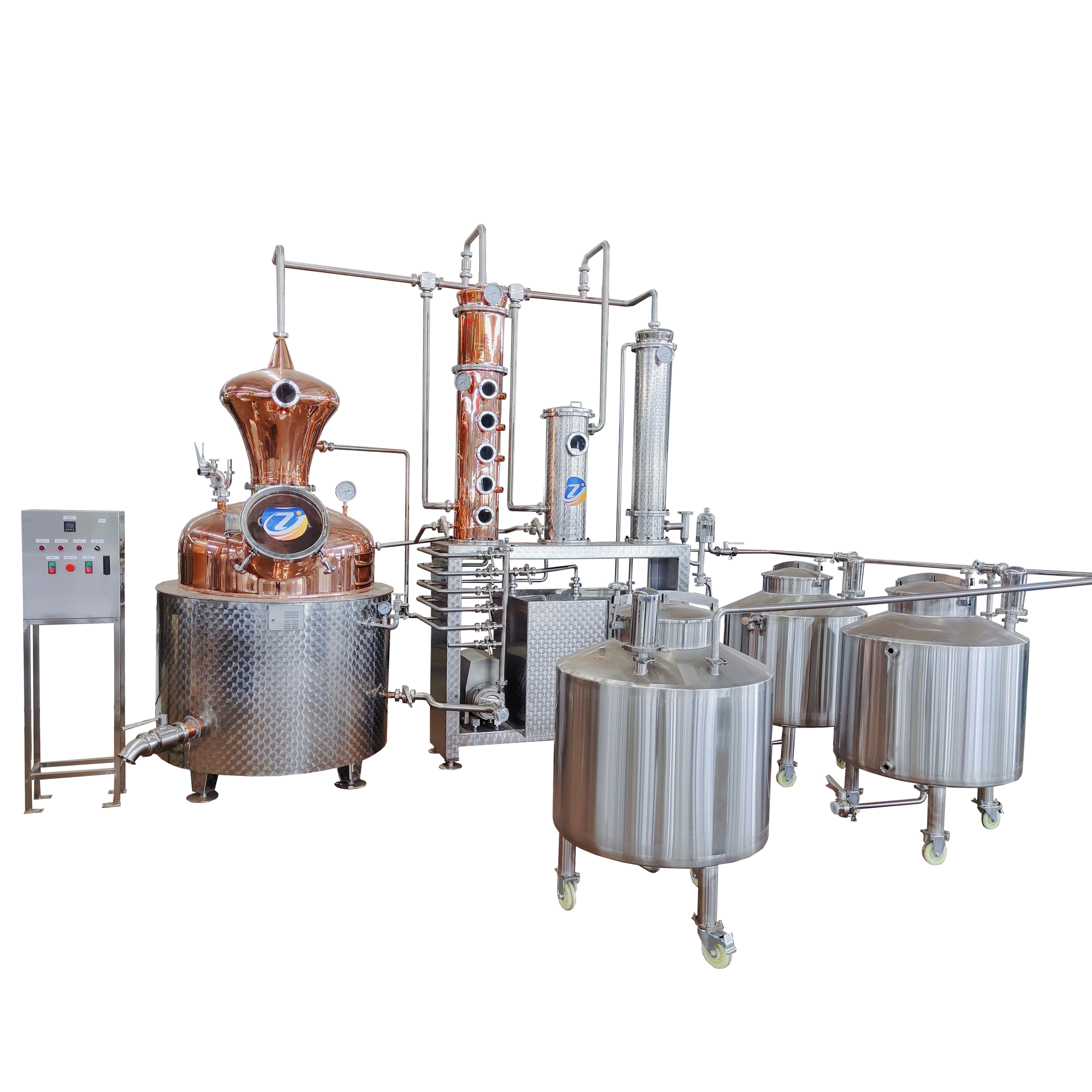
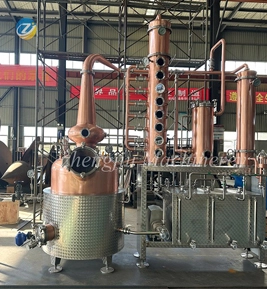
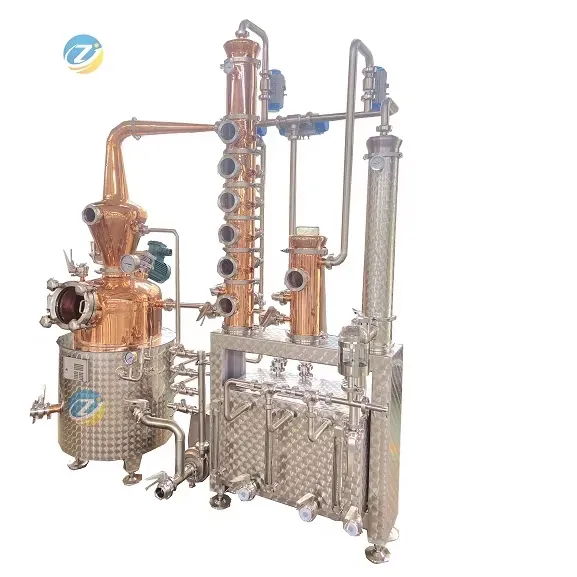
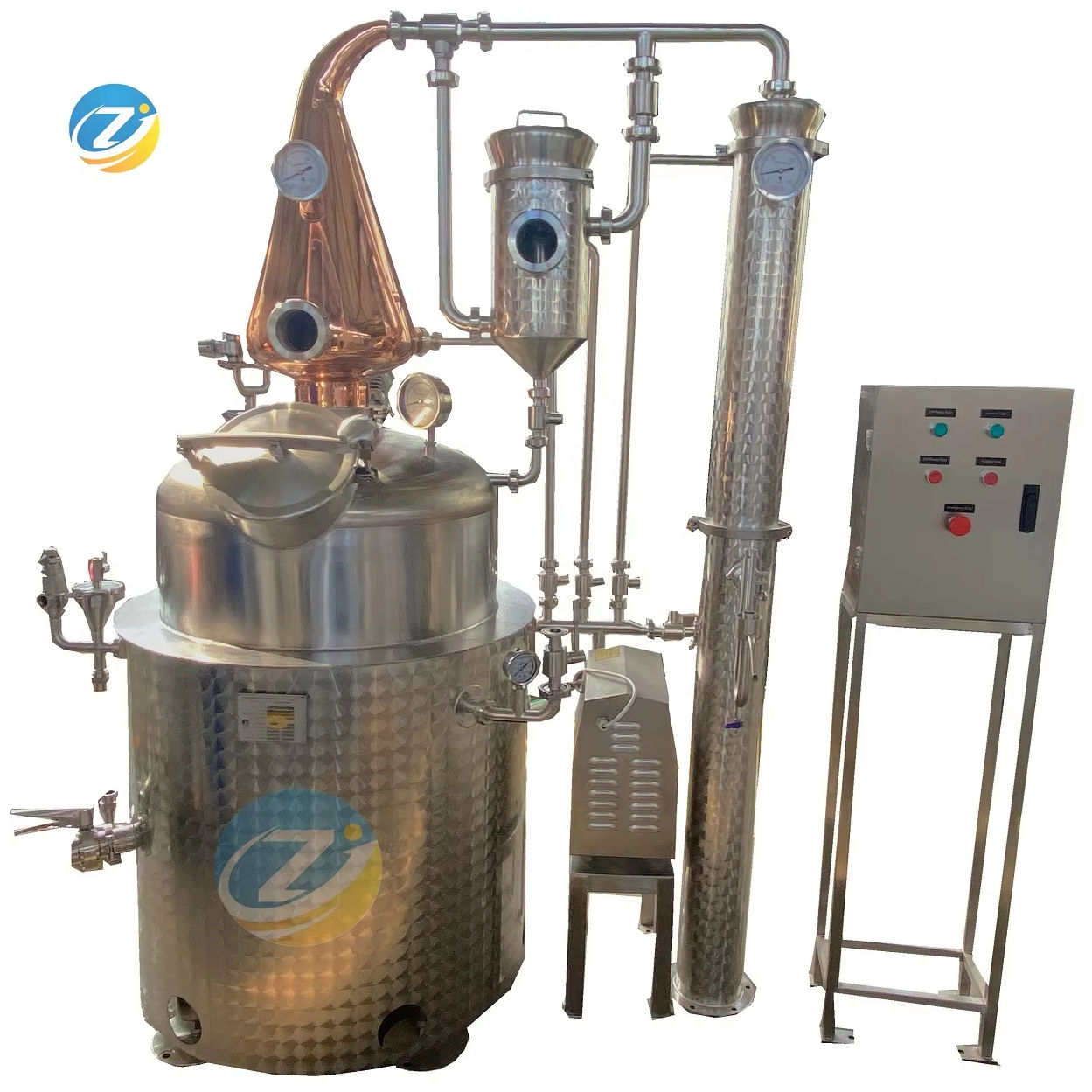
A pot still is a batch distillation device used to separate alcohol from fermented liquid (wash or mash) through controlled heating and condensation.It typically consists of three main components:
Boiler (Pot): where the fermented mash is heated
Swan Neck / Vapor Line: where alcohol vapors rise
Condenser: where vapor is cooled back into liquid
Copper pot stills are especially valued because copper reacts with sulfur compounds, removing unwanted odors and improving spirit purity.
Basics of Pot Still Operation
The core principle of pot still distillation is based on differences in boiling points between alcohol and water.When the fermented mash is heated:
Alcohol evaporates first (lower boiling point)
Vapors rise through the still
Vapors are condensed back into liquid form
Distillate is collected in separate fractions
For distillers looking to upgrade their production capabilities, reliable distilling pots for sale provide durable construction, precise distillation control, and flexible configurations for different spirit production needs.
Step-by-Step Guide to Operating a Pot Still
1. Prepare the Fermented Mash
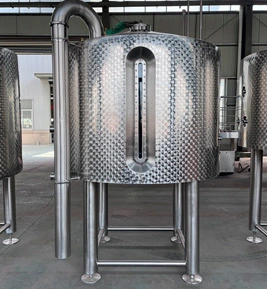
Ensure the fermentation process is complete before distillation. High-quality raw materials and proper fermentation directly influence the final spirit.(Many distilleries use a mash lauter tun to separate solids from the liquid efficiently before distillation, which helps maintain consistent flavor and alcohol yield.)
2. Fill the Boiler Correctly
Fill the pot still to around 60–75% capacity to prevent overflow during heating and vapor expansion.
3. Seal and Inspect the System
Check all seals, gaskets, and joints to ensure the system is airtight. Any vapor leakage will reduce yield and efficiency.
4. Start Controlled Heating
Gradually heat the boiler. Rapid heating should be avoided as it may scorch the mash and produce undesirable flavors.
5. Monitor Vapor Flow
Once vapor begins to form, maintain a stable heating rate to ensure smooth and continuous distillation.
6. Collect Distillate Fractions
Separate the output into three key parts:
Heads: early volatile compounds (discard or reprocess)
Heart: high-quality spirit (main product)
Tails: heavier compounds (optional reuse)
7. Adjust for Future Runs
Refine your process based on output quality, adjusting fermentation time, heating curve, or cut points.
Temperature and Pressure Control in Pot Still Operation
Temperature control is one of the most critical aspects of distillation.Different spirits require different temperature profiles:
Whiskey: slower, controlled heating for flavor development
Vodka: higher purification focus
Rum: balanced ester retention
Maintaining stable temperature ensures consistent vapor composition.Although pot stills operate under low pressure, monitoring system stability is still essential. Pressure buildup or vapor irregularities may indicate blockages or sealing issues.Modern systems from Hangzhou Zhengjiu Machinery Manufacturing Co., Ltd. often include enhanced monitoring interfaces for better process control.
Best Practices for Collecting Distillate
Proper collection determines final spirit quality.
Key practices include:
Discarding foreshots (heads) carefully
Collecting hearts at stable flow rates
Separating tails for possible redistillation
Maintaining slow and steady output flow
A stable collection rate helps preserve aroma balance and smoothness in the final product.
Importance of Copper in Pot Still Operation
Copper plays a vital role in improving distillation quality:
This is why many premium distilleries still prefer copper pot stills over stainless steel alternatives.
Common Mistakes in Pot Still Operation
Even experienced distillers can make operational errors that impact product quality.
1. Overheating the Mash
Fast heating can scorch the wash and introduce burnt flavors.
2. Improper Fraction Cuts
Failing to separate heads, hearts, and tails correctly reduces spirit quality.
3. Poor Cleaning Practices
Residual compounds can contaminate future batches.
4. Incorrect Filling Level
Overfilling increases the risk of boil-over and vapor loss.
5. Ignoring Equipment Maintenance
Regular inspection is essential for long-term efficiency and safety.Professional-grade equipment from Hangzhou Zhengjiu Machinery Manufacturing Co., Ltd. helps minimize operational errors through precision engineering and durable design.
Advantages of Modern Pot Still Systems
Modern pot stills offer significant improvements over traditional designs:
Higher energy efficiency
Better temperature control
Improved safety systems
Scalable production options
Consistent spirit quality
These advancements allow distilleries to maintain artisanal quality while increasing production capacity.
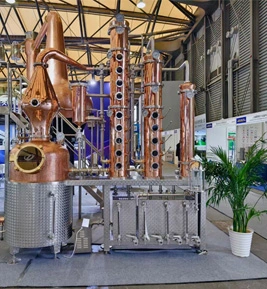
Industrial Applications of Pot Stills
Pot stills are widely used in:
They remain essential for distillers who prioritize flavor complexity and product character.
FAQs About Operating a Pot Still
Q1: What is the main purpose of a pot still?
A pot still is used to separate alcohol from fermented liquid through batch distillation, producing spirits with rich and complex flavors.
Q2: Why is copper commonly used in pot stills?
Copper removes sulfur compounds during distillation, improving aroma and overall spirit quality.
Q3: What are heads, hearts, and tails?
These are distillation fractions:
Q4: How do I know when to stop collecting distillate?
When alcohol strength drops and heavier compounds increase, it indicates the transition to tails.
Q5: Can pot stills be used for commercial production?
Yes. Industrial pot stills are widely used in commercial distilleries for whiskey, rum, and other spirits.
Q6: How often should a pot still be cleaned?
After every distillation run to prevent contamination and maintain product quality.
Conclusion
Operating a pot still successfully requires a balance of technical knowledge, precise control, and hands-on experience. From mash preparation and temperature regulation to careful distillate separation, every step directly impacts the final spirit quality.With advanced distillation systems from Hangzhou Zhengjiu Machinery Manufacturing Co., Ltd., distillers can achieve greater efficiency, improved consistency, and superior spirit quality while maintaining traditional craftsmanship.Whether you are producing small-batch craft spirits or scaling industrial production, mastering pot still operation is essential for long-term success in the distillation industry.