Introduction
Pot still brandy is one of the most traditional and expressive spirits in the world of distillation. Known for its rich aroma, fruit-forward character, and complex aging profile, it is produced through the distillation of fermented fruit wine, typically grapes, apples, or pears.Unlike industrial spirits, pot still brandy emphasizes craftsmanship, small-batch production, and flavor depth. This makes it highly popular among craft distillers and premium spirit producers.In modern distilling operations, equipment quality plays a key role in final spirit performance. Manufacturers such as Hangzhou Zhengjiu Machinery Manufacturing Co., Ltd. provide advanced copper pot still systems designed to help distillers achieve precision, consistency, and superior flavor retention.
What Is Pot Still Brandy?
Brandy comes from the Dutch word brandewijn, meaning “burnt wine.” It is produced by distilling fermented fruit juice into a higher-alcohol spirit.Common types of brandy include:
Grape brandy (Cognac, Armagnac)
Apple brandy (Calvados, applejack)
Pear brandy
Specialty fruit brandies (cherry, peach, plum)
Among these, pot still brandy is known for its richer body and more aromatic complexity compared to column-distilled alternatives.
Step 1: Fermentation – The Foundation of Brandy
Fermentation is the most critical stage in brandy production because it defines the base aroma and sugar conversion quality.
Key Process:
Select high-quality fruit (grapes are most common)
Crush fruit to extract juice (must)
Add yeast (natural or cultured)
Allow fermentation for 1–3 weeks
Monitor temperature and sugar levels
During fermentation, yeast converts natural sugars into alcohol and aromatic compounds. The resulting liquid, known as wine or wash, typically contains 6–10% alcohol and is ready for distillation. Many distillers use a mash lauter to separate solids from the liquid efficiently, which helps ensure consistent aroma and alcohol levels. High-quality fermentation directly leads to better pot still brandy flavor complexity.
Step 2: Distillation Using a Pot Still
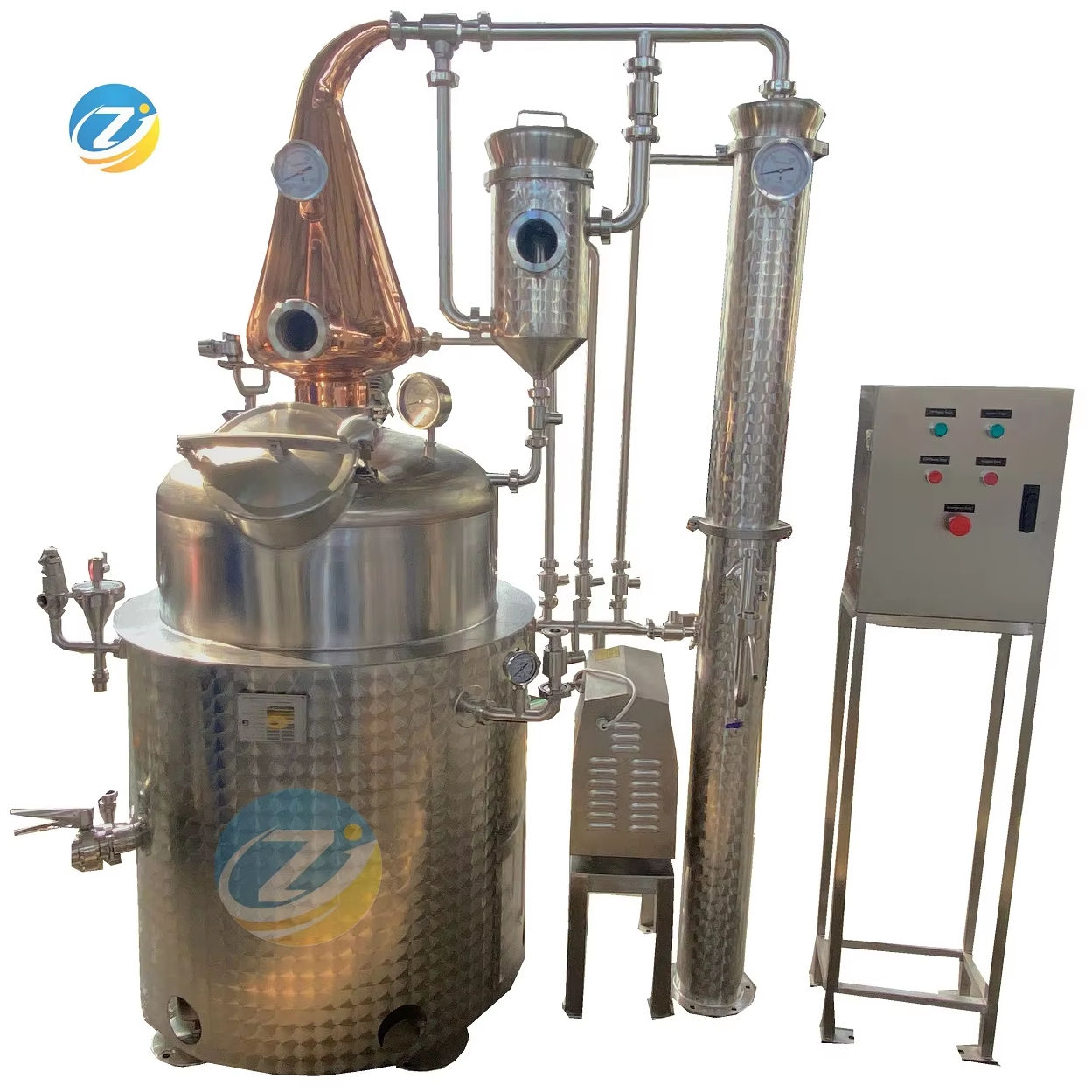
Distillation is where raw fermented liquid transforms into brandy. A pot still is ideal for brandy production because it preserves aroma compounds while allowing controlled separation of alcohol.
How the process works:
The fermented wash is heated in the boiler
Alcohol vapor rises through the still neck
Vapors are condensed back into liquid form
The distillate is collected in fractions
Most traditional distillers perform double distillation to refine purity and enhance aroma concentration.
Understanding Heads, Hearts, and Tails
During distillation, the output is divided into three key fractions:
1. Heads
Contains volatile compounds
Often harsh or solvent-like
Usually discarded or redistilled
2. Hearts (Main Product)
3. Tails
Precise separation is essential for producing high-quality pot still brandy.
Step 3: Why Copper Pot Stills Are Essential
Copper plays a vital role in brandy distillation.
Benefits of copper pot stills:
Removes sulfur compounds naturally
Enhances fruity and floral aromas
Improves heat distribution
Produces smoother spirit texture
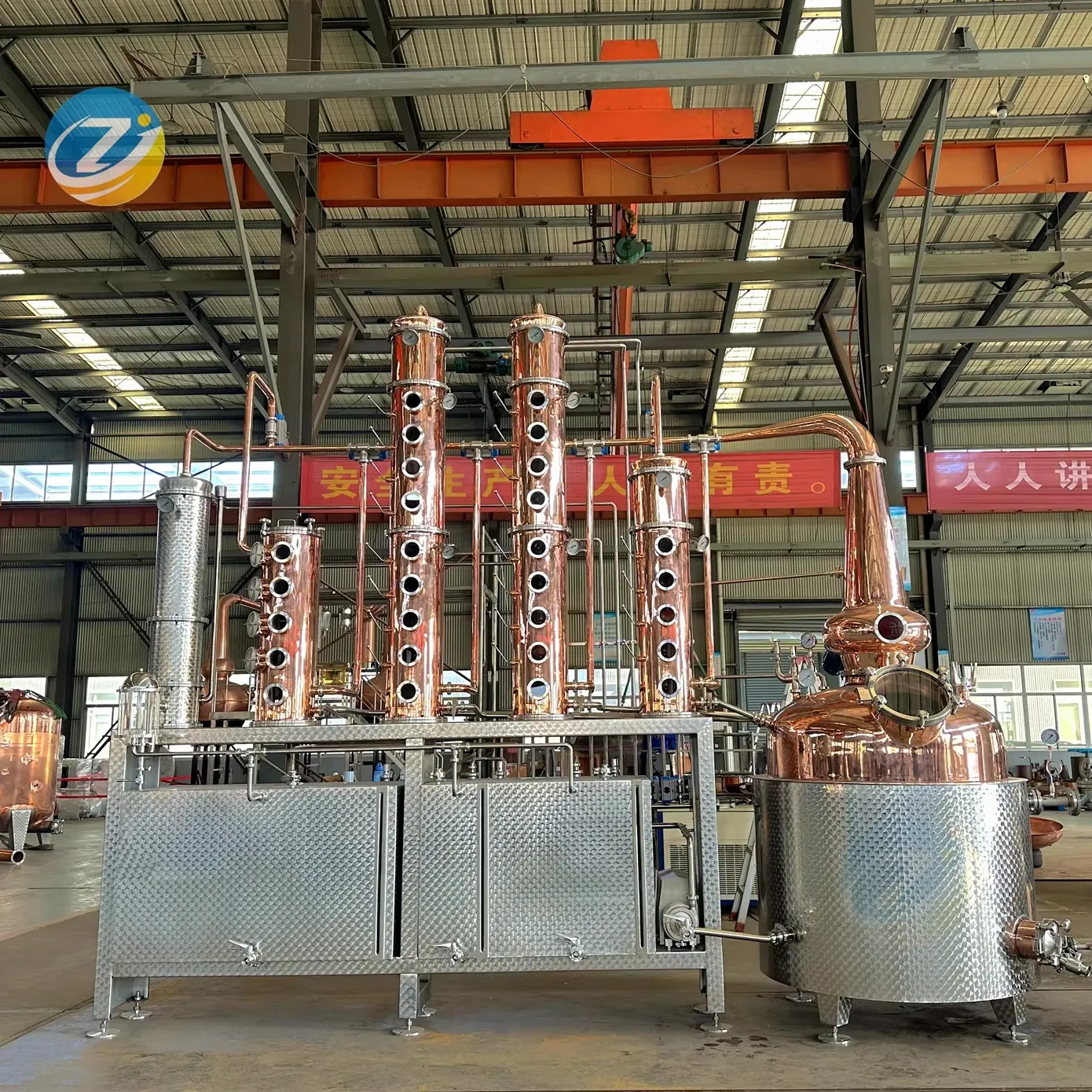
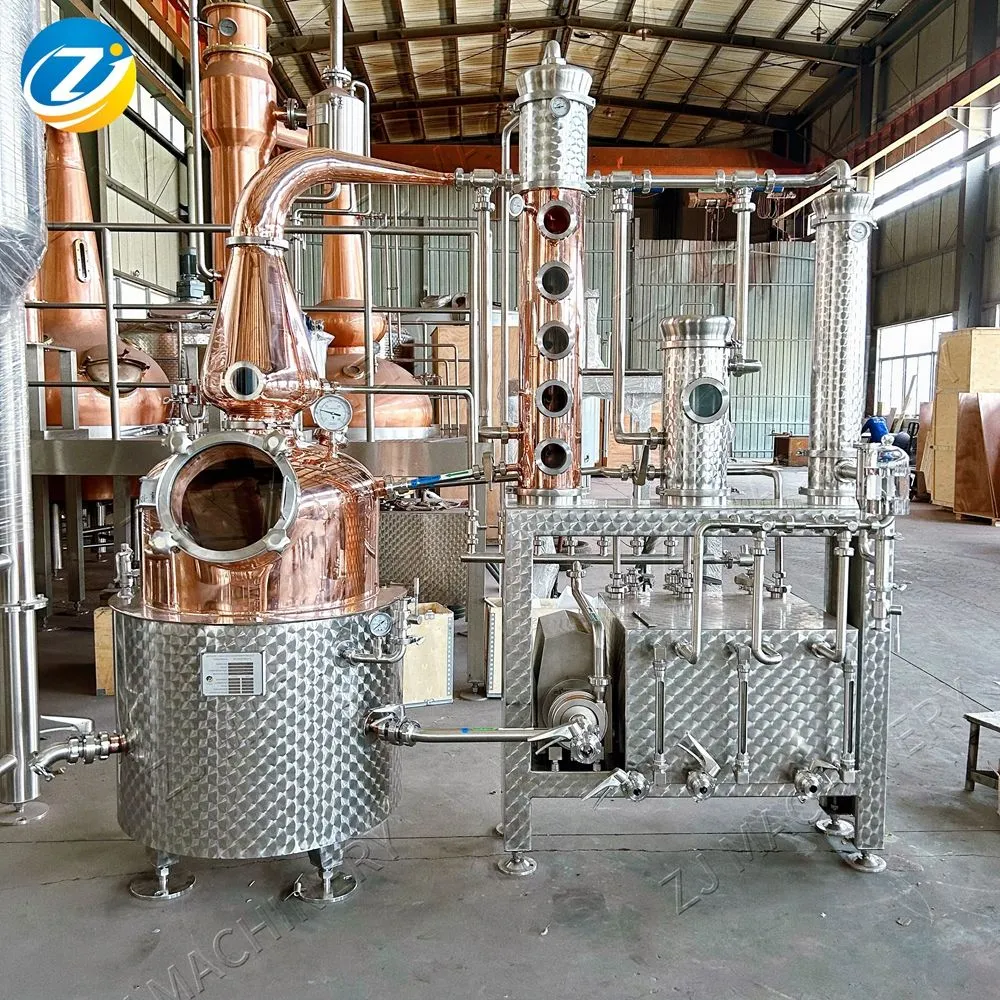
This is why premium distilleries continue to rely on copper pot still technology.Modern systems from Hangzhou Zhengjiu Machinery Manufacturing Co., Ltd. integrate traditional copper advantages with modern engineering precision for optimal distillation control.
Step 4: Aging Pot Still Brandy
Aging is where brandy develops its signature character.
Oak barrel selection:
American oak: vanilla, caramel, sweet notes
French oak: spice, elegance, subtle tannins
New barrels: stronger wood influence
Used barrels: softer, more balanced aging
Aging effects:
Color deepens from clear to amber
Alcohol smooths over time
Aromas evolve into complex layers
Aging can last from several months to decades depending on desired style.
Step 5: Flavor Enhancements and Blending
Distillers often refine pot still brandy through creative enhancement techniques.
Common methods include:
Infusion with dried fruits
Addition of spices (cinnamon, nutmeg, cloves)
Herbal notes (thyme, rosemary)
Barrel blending for flavor balance
Blending different batches allows distillers to achieve signature flavor profiles and maintain consistency across production cycles.
Step 6: Equipment Matters in Brandy Production
High-quality equipment significantly improves distillation results.Key equipment considerations include:
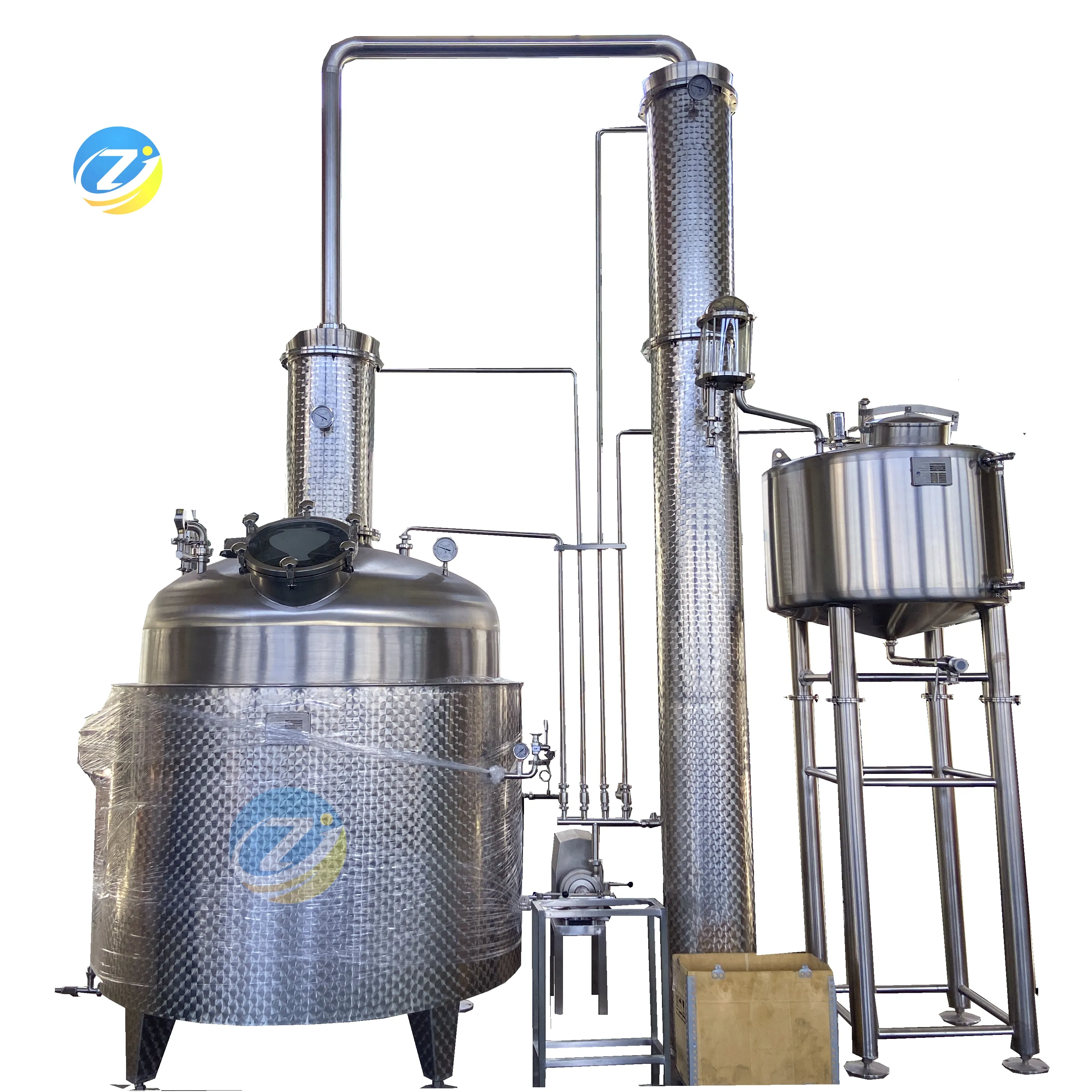
Companies like Hangzhou Zhengjiu Machinery Manufacturing Co., Ltd., known among top copper still manufacturers, specialize in designing pot still systems tailored for craft and industrial brandy production, ensuring consistency and flavor precision.
Common Mistakes in Making Pot Still Brandy
1. Poor fermentation control
Leads to weak or off-flavor base wine.
2. Incorrect distillation cuts
Mixing heads with hearts reduces spirit quality.
3. Overheating during distillation
Causes burnt or bitter flavors.
4. Using low-quality fruit
Directly reduces aroma complexity.
5. Improper aging conditions
Temperature fluctuations can ruin barrel maturation.Avoiding these mistakes is essential for consistent high-quality production.
Industrial Applications of Pot Still Brandy Production
Pot still brandy is widely used in:
Its strong flavor identity makes it ideal for high-end markets.
FAQs About Pot Still Brandy
Q1: What makes pot still brandy different from other brandies?
Pot still brandy is distilled in batch systems, resulting in richer aroma, fuller body, and more complex flavor compared to continuous distillation methods.
Q2: What fruits can be used for brandy?
Grapes are most common, but apples, pears, cherries, and peaches are also widely used.
Q3: Why is copper important in brandy distillation?
Copper removes sulfur compounds, improving aroma and producing a smoother spirit.
Q4: How long should brandy be aged?
Aging can range from a few months to over 20 years depending on style and quality goals.
Q5: Can beginners make pot still brandy?
Yes, but it requires proper fermentation control, distillation knowledge, and quality equipment.
Q6: What is the best still for brandy production?
A copper pot still is considered the best choice for traditional and high-quality brandy production.
Conclusion
Making pot still brandy is a refined craft that blends fermentation science, distillation precision, and aging artistry. Every stage—from fruit selection to barrel maturation—directly impacts the final spirit quality.With the support of advanced distillation systems from Hangzhou Zhengjiu Machinery Manufacturing Co., Ltd., distillers can achieve higher efficiency, better flavor control, and consistent production results while preserving traditional craftsmanship.Whether for small craft production or industrial-scale distilling, mastering pot still brandy production opens the door to creating truly premium spirits with exceptional depth and character.