Introduction
Rum is one of the most versatile and globally loved distilled spirits, known for its rich sweetness, complex aroma, and deep cultural heritage. Produced primarily from sugarcane byproducts such as molasses or fresh sugarcane juice, rum offers a wide flavor spectrum ranging from light and floral to dark and heavily aged profiles.For craft distillers and commercial producers, learning how to make rum using a pot still is essential for creating high-quality, flavor-rich spirits with strong market appeal.In modern production systems, equipment plays a critical role in determining efficiency and consistency. Manufacturers such as Hangzhou Zhengjiu Machinery Manufacturing Co., Ltd. provide advanced copper pot still and distillation solutions designed specifically for premium rum production.
What Makes Rum Different from Other Spirits?
Rum stands apart from other distilled spirits due to its raw material base and fermentation profile.Unlike whisky (grain-based) or vodka (neutral starch-based), rum is made from:
This sugarcane origin gives rum its naturally sweet, fruity, and caramel-like aroma.
Key differences include:
Raw material: sugarcane vs grains or potatoes
Fermentation style: often faster and more aromatic
Flavor profile: tropical, caramel, spice, vanilla notes
Aging behavior: highly responsive to oak barrels
Different rum styles (light, gold, dark, spiced) are determined by fermentation control, distillation method, and aging conditions.
Key Ingredients for Making Pot Still Rum
To produce high-quality rum using a pot still, the following ingredients are essential:
1. Molasses
Molasses is the most commonly used base for rum production. It is rich in fermentable sugars and contributes to the spirit’s signature depth and color.
2. Water
Soft or filtered water is preferred to ensure clean fermentation and avoid mineral interference.
3. Yeast
Yeast selection is critical. Different strains influence:
Ester formation
Alcohol yield
Flavor complexity
Some distillers use wild fermentation, while others prefer controlled cultured yeast for consistency.
4. Optional Ingredients
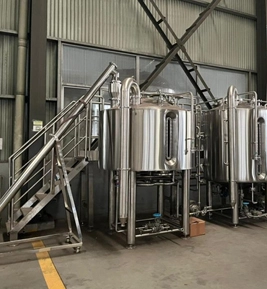
Advanced distillers may add nutrients or small amounts of grains to enhance fermentation stability and flavor depth.High-quality fermentation systems and temperature control equipment from Hangzhou Zhengjiu Machinery Manufacturing Co., Ltd. help ensure stable and efficient fermentation performance.
Step-by-Step: How to Make Rum with a Pot Still
The rum-making process involves four major stages: fermentation, distillation, separation, and refinement.
Step 1: Fermentation
Mix molasses with water and yeast to create a fermentable wash.Key conditions:
During this stage, yeast converts sugar into alcohol and develops aromatic compounds that define the rum’s character.
Step 2: Loading the Pot Still
Once fermentation is complete, the wash is transferred into the pot still boiler.Important guidelines:
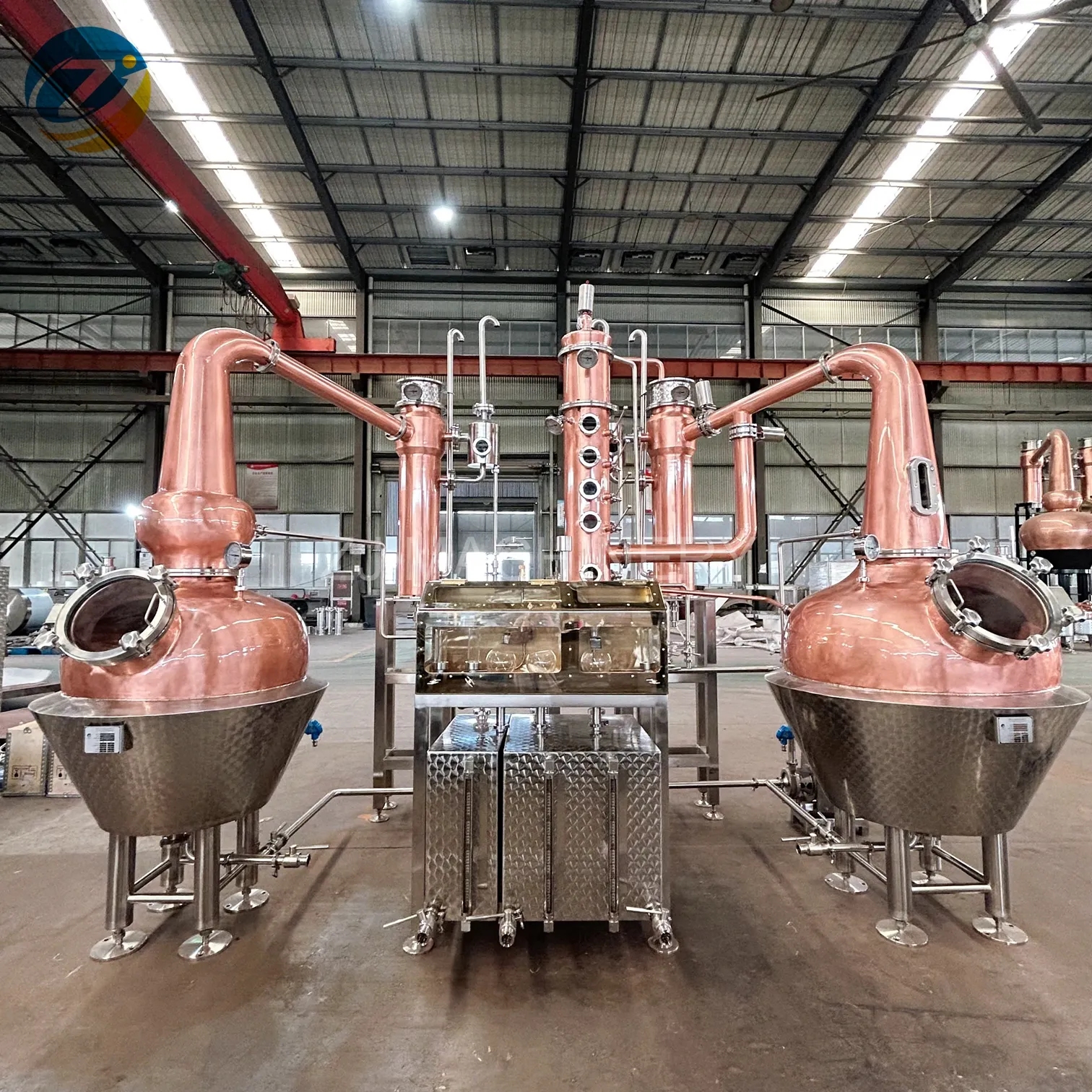
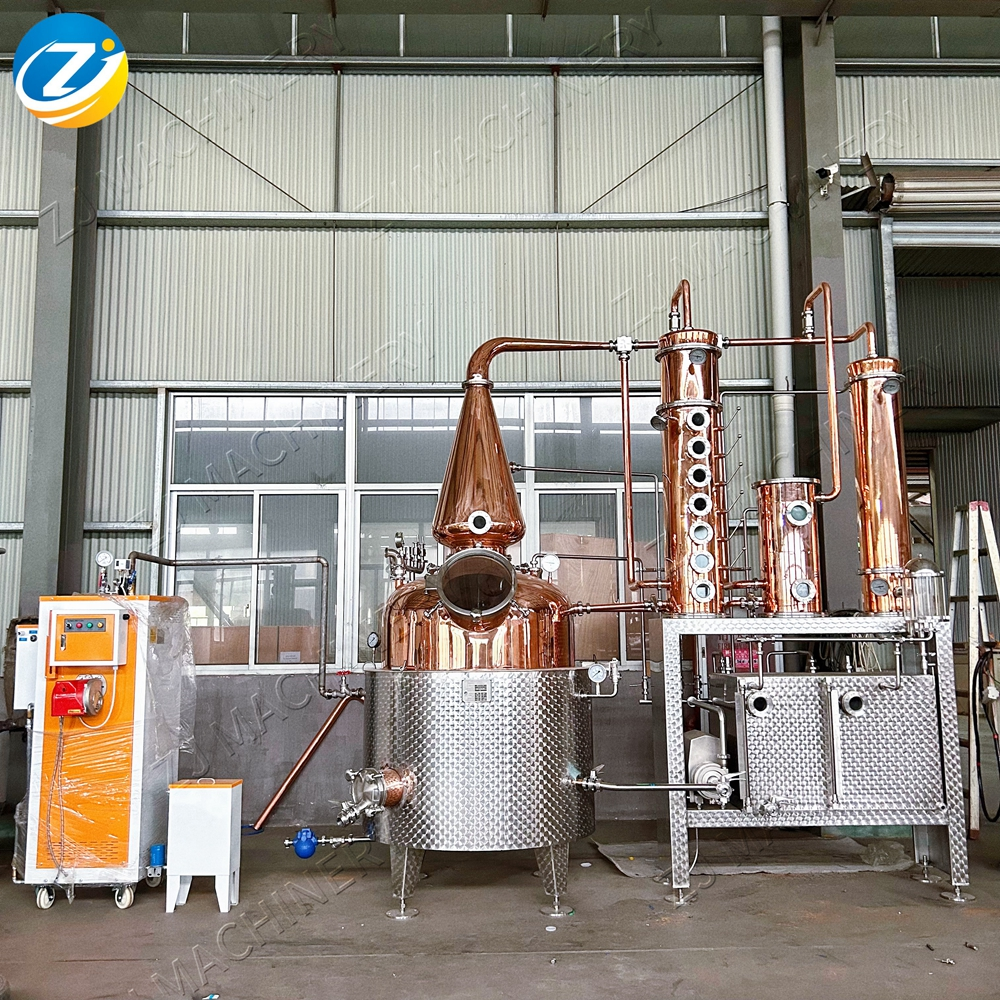
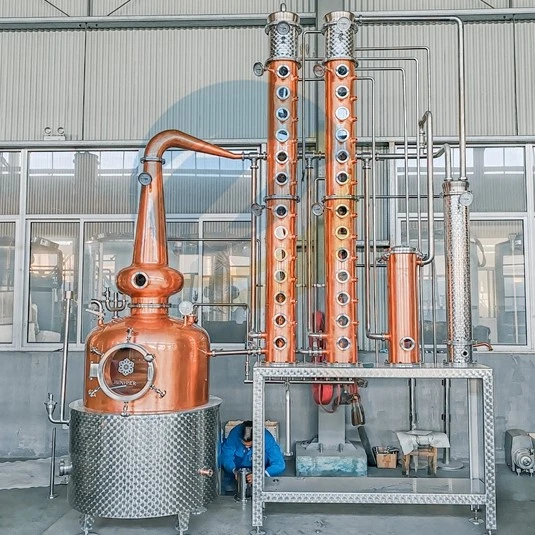
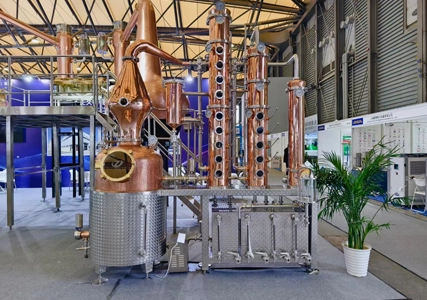
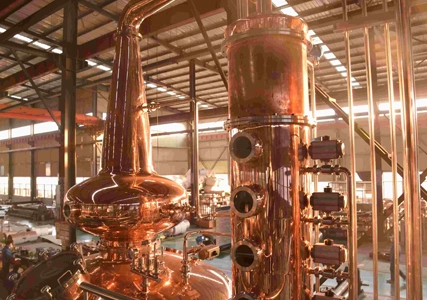
Copper pot stills , often sourced from trusted copper still manufacturers, are widely used because they help remove sulfur compounds and improve flavor purity.
Step 3: Distillation Process
As heat is applied:
Alcohol vapors rise through the still
Vapors pass through the neck or lyne arm
Condenser cools vapor into liquid distillate
A typical rum distillation includes:
During the spirit run, distillers separate:
Precision control is essential to achieve a clean and flavorful rum profile.
Step 4: Collection and Refinement
The “heart” fraction is collected for aging or blending. Careful cut selection ensures:
Advanced distillation systems from Hangzhou Zhengjiu Machinery Manufacturing Co., Ltd. help improve cut precision and operational efficiency.
Aging Rum: Developing Flavor and Complexity
Aging is where rum transforms from raw spirit into a premium product.
Barrel types:
American oak → vanilla, caramel, sweetness
French oak → spice, elegance, structure
Charred barrels → smoky depth and color
Aging effects:
Climate also plays a major role. Warmer regions accelerate wood interaction and maturation.
Flavor Development and Blending Techniques
Distillers often enhance rum through creative methods:
Spice infusion (cinnamon, clove, nutmeg)
Fruit aging (coconut, citrus, tropical fruits)
Barrel blending for consistency
Small-batch experimentation
These techniques help create signature rum profiles for commercial differentiation.
Common Problems in Rum Production
Even experienced distillers face operational challenges.
1. Stuck fermentation
Caused by poor yeast health or incorrect temperature control.
2. Off-flavors
Often due to contamination or improper cleaning.
3. Low alcohol yield
May result from inefficient fermentation or poor distillation control.
4. Harsh spirit taste
Caused by improper separation of heads and tails.Using reliable equipment with stable temperature control from Hangzhou Zhengjiu Machinery Manufacturing Co., Ltd. significantly reduces production risks.
Industrial Importance of Pot Still Rum Production
Pot still rum remains essential in:
Its ability to preserve aroma complexity makes it highly valuable in the premium spirits market. Modern industrial still setups enable producers to scale operations efficiently while maintaining flavor richness and product quality.
FAQs About Making Rum with a Pot Still
Q1: What makes pot still rum different from column still rum?
Pot still rum is batch-distilled and retains more flavor compounds, resulting in a richer and more complex spirit compared to cleaner column-distilled rum.
Q2: Can rum be made without molasses?
Yes. Some premium rums use fresh sugarcane juice, known as agricole rum, which produces a grassy, fresh flavor profile.
Q3: Why is copper used in rum pot stills?
Copper removes sulfur compounds, improving aroma clarity and producing a smoother final spirit.
Q4: How long does rum fermentation take?
Typically 3 to 7 days, depending on yeast type, temperature, and sugar concentration.
Q5: How long should rum be aged?
Aging can range from 6 months to over 10 years depending on desired flavor complexity.
Q6: What is the best still for rum production?
A copper pot still is widely considered the best choice for traditional, flavor-rich rum production.
Conclusion
Learning how to make rum with a pot still is a combination of science, craftsmanship, and precision. From fermentation to distillation and aging, every stage contributes to the final spirit’s character and market value.By using advanced commercial distilling equipment for sale from Hangzhou Zhengjiu Machinery Manufacturing Co., Ltd., producers can achieve higher efficiency, better flavor control, and consistent product quality while preserving traditional rum-making artistry.Whether you are a craft distiller or a large-scale producer, mastering pot still rum production opens the door to creating world-class spirits with strong commercial potential.