Introduction: Why Whiskey and Brandy Still Dominate the Global Spirits Market
Whiskey and brandy are more than just alcoholic beverages—they are products of centuries-old craftsmanship, cultural identity, and continuous innovation. Today, with the rapid growth of the global spirits industry, understanding the history of whiskey and brandy production is not only fascinating but essential for distillers, investors, and equipment buyers.From traditional copper pot stills to modern automated distillation systems, the evolution of these spirits highlights one key factor: the importance of high-quality distillation equipment in achieving premium results.
Ancient Origins of Whiskey and Brandy Production
The roots of distillation trace back to ancient Mesopotamia, where early fermentation techniques were first developed. Over time, these methods spread across Europe and laid the foundation for modern spirits.
Whiskey Origin: First recorded in 15th-century Ireland as “uisge beatha” (water of life)
Brandy Origin: Developed from Roman wine distillation practices, later refined by the Dutch (“brandewijn”)
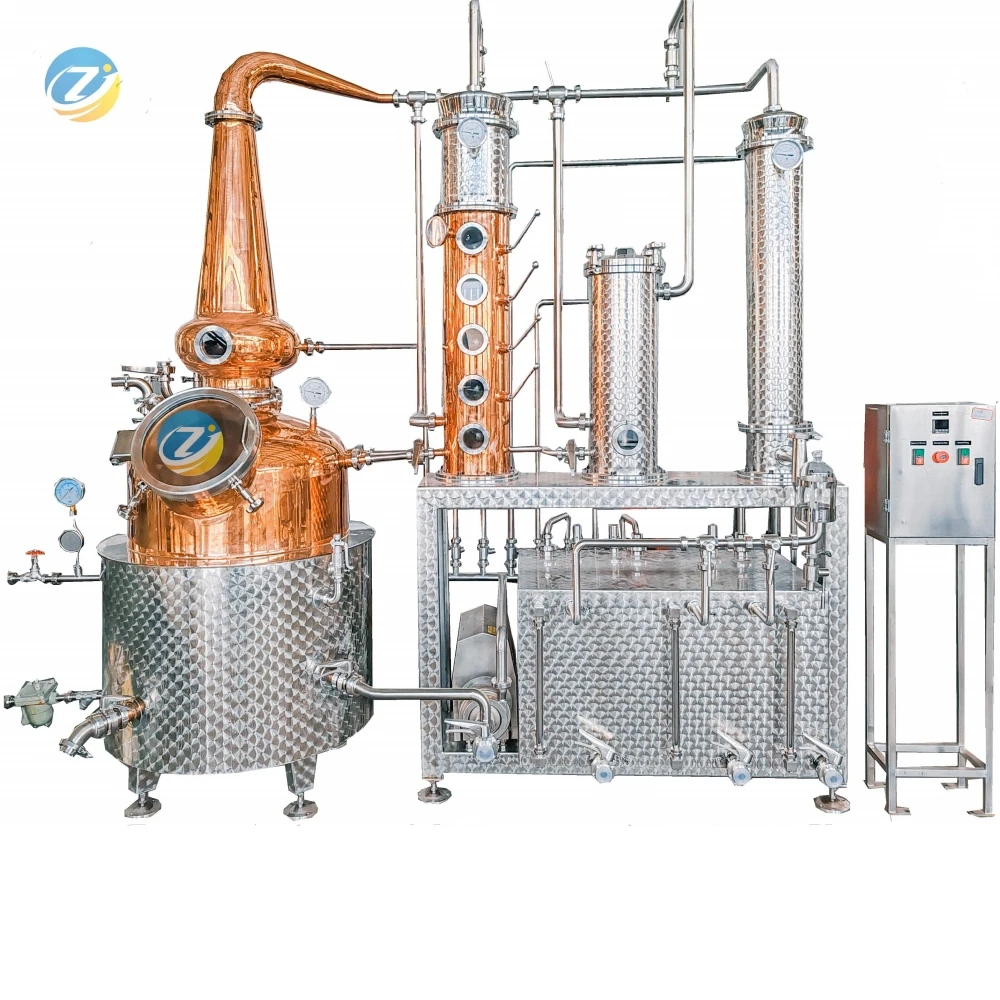
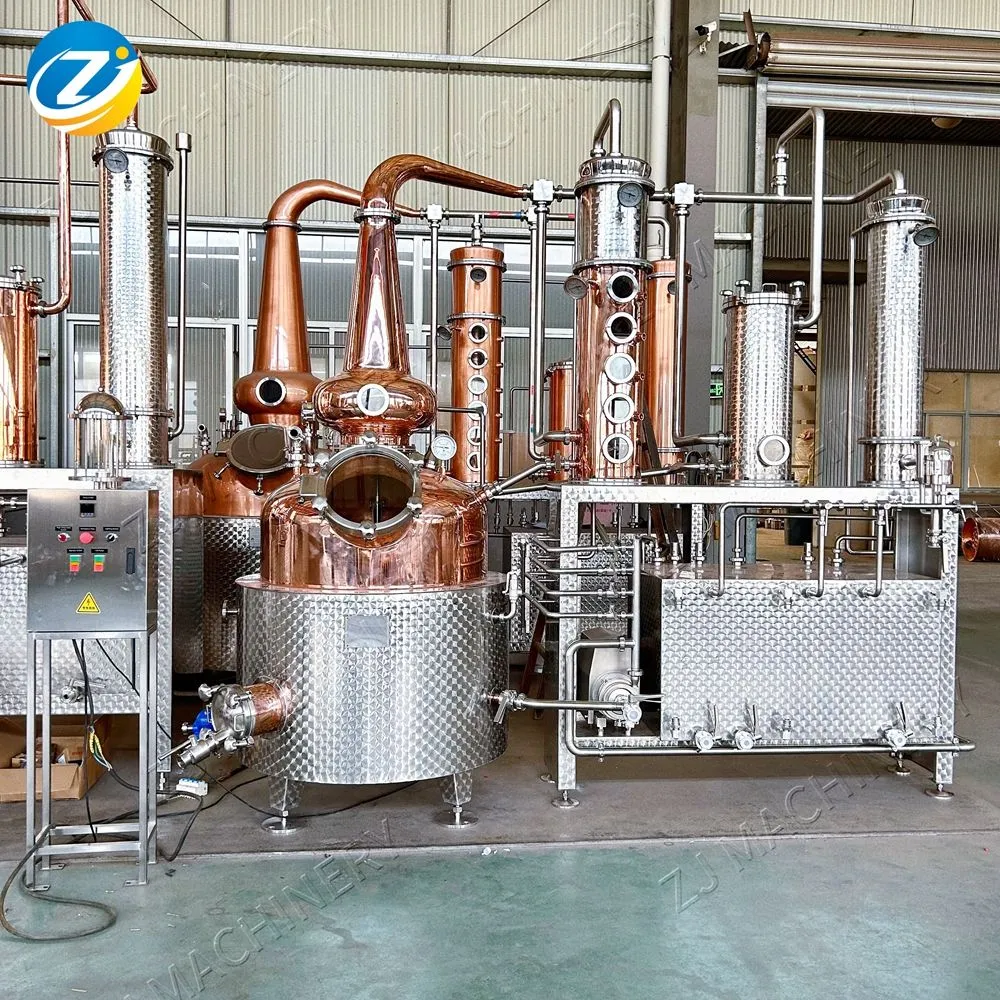
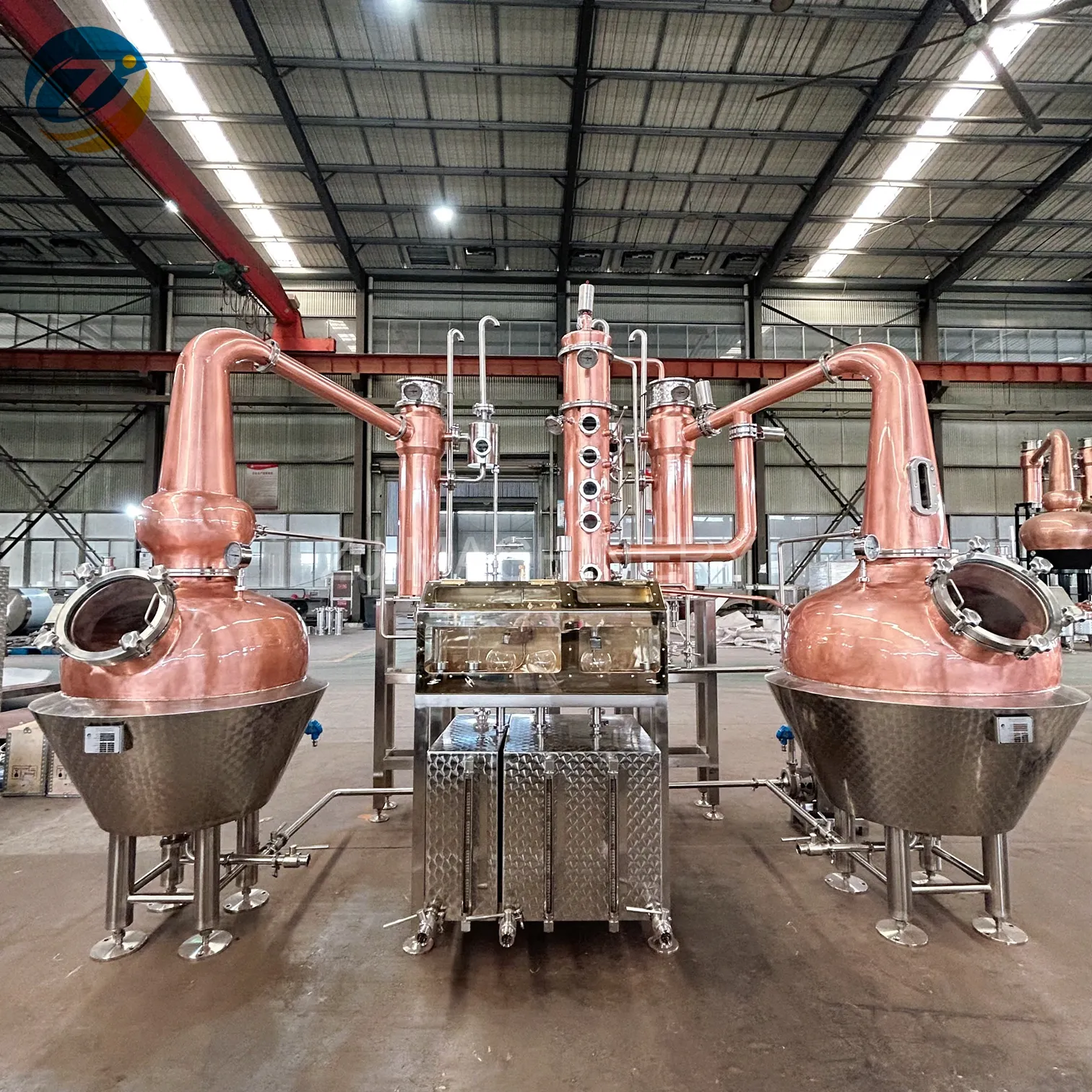
As demand grew, distillers transitioned from primitive tools to copper pot stills, which remain essential in premium whiskey and brandy production today.Modern manufacturers like Hangzhou Zhengjiu Machinery now produce advanced pot stills that combine traditional flavor retention with industrial efficiency.
Key Milestones in Whiskey and Brandy Development
1. Regulation and Standardization
18th century: The British Excise Act formalized whiskey production
1930s: France introduced AOC certification, protecting Cognac authenticity
These regulations improved quality control and created global trust in branded spirits.
2. Aging and Flavor Innovation
Distillers began experimenting with:
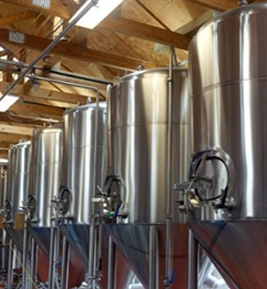
Today, these processes rely heavily on precision equipment, including fermentation tanks and temperature-controlled systems.
Cultural Influence on Production Techniques
Whiskey: Tradition and Identity
In Scotland and Ireland, whiskey production reflects:
Regional terroir
Water sources
Local grains
Brandy: Elegance and Craftsmanship
In France, brandy (especially Cognac) emphasizes:
Vineyard quality
Barrel aging artistry
Flavor complexity
These cultural differences directly influence equipment requirements, leading to demand for custom distillation solutions. Hangzhou Zhengjiu Machinery provides tailored systems to match regional production styles.
Evolution of Distillation Technology
Modern distillation has undergone major upgrades:
Traditional vs Modern Equipment
| Traditional | Modern |
|---|
| Pot stills | Hybrid stills |
| Manual control | Automated systems |
| Basic cleaning | CIP cleaning systems |
Key Innovations:
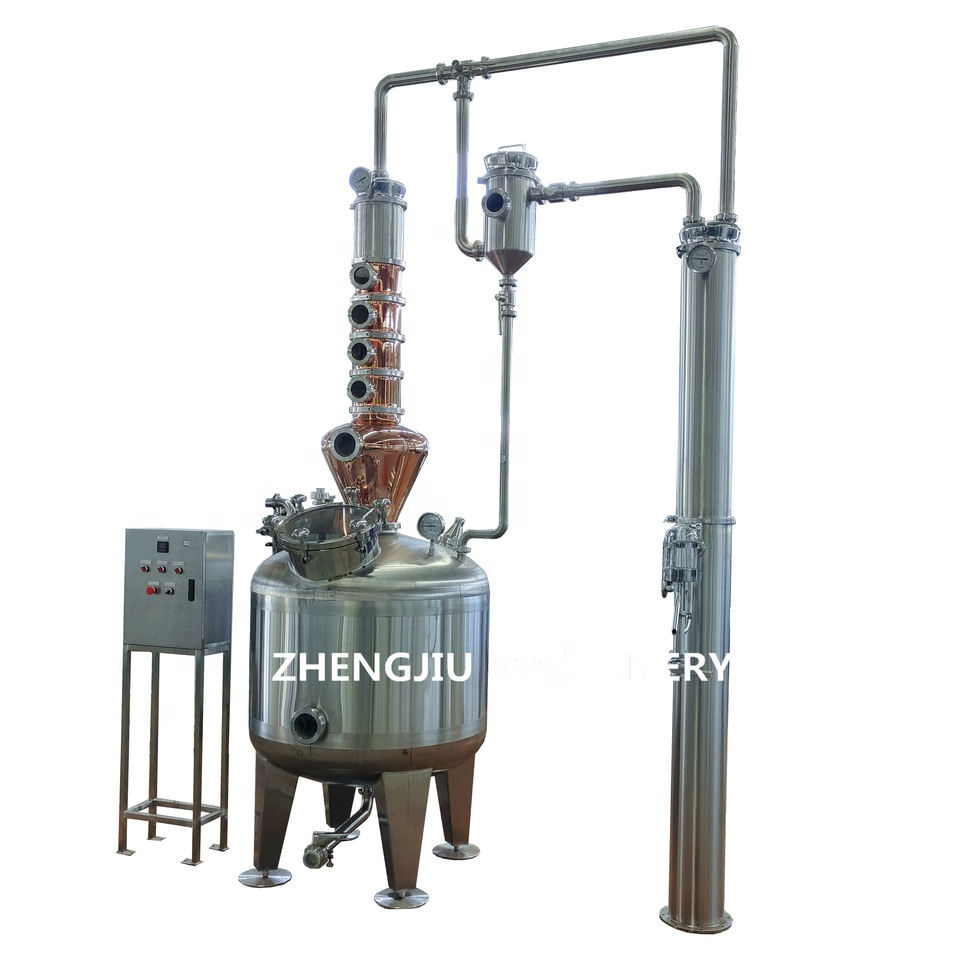
Column stills for efficiency
CIP systems for hygiene
Automated fermentation control
Energy-saving distillation systems
These advancements allow distilleries to:
Increase yield
Maintain consistency
Reduce labor costs
Modern Trends in Whiskey and Brandy Production (2026)
1. Craft Distilling Boom
Small-scale distilleries are growing rapidly, focusing on:
Unique flavors
Local ingredients
Story-driven branding
2. Premiumization
Consumers prefer:
Aged whiskey
Limited editions
High-end brandy
3. Sustainable Production
Eco-friendly distilling is becoming essential:
4. Digital Transformation
To support these trends, advanced distillation systems from companies like Hangzhou Zhengjiu Machinery enable both small craft distillers and large-scale producers to scale efficiently.
Why Distillation Equipment Matters More Than Ever
No matter the history or tradition, one truth remains:Great spirits depend on great equipment.High-quality distillation systems directly impact:
Flavor purity
Production efficiency
Safety standards
Scalability
Whether you are producing whiskey, brandy, gin, or other spirits, investing in professional distillery equipment is the foundation of success. For producers planning to expand their production capacity, selecting reliable liquor stills for sale can help establish efficient distillation processes while maintaining consistent spirit quality.
Conclusion: Tradition Meets Innovation
The journey of whiskey and brandy—from ancient fermentation to modern precision distillation—demonstrates a perfect blend of heritage and technology.As the industry continues to evolve, distillers who combine:
will lead the next generation of premium spirits. If you're looking to start or upgrade your distillery, choosing the right equipment partner—such as Hangzhou Zhengjiu Machinery—can make all the difference.